If you source cars from Japan, you rely on auction sheets. These one-page reports are your eyes on the ground. A correct grade and clear comments can reveal a gem. A misread sheet can mean a bad buy. This guide will teach you to read them like a pro.
The grade is the car's overall score. It combines exterior, interior, and mechanical condition. The system uses numbers from 1 to 6, with letters for extra detail.
S, R, 6, 5.5, 5: These are the top tiers. S and R are rare, "new car" or fully repaired grades. Grades 5 and 6 are excellent, near-flawless used cars. Expect premium prices.
4.5, 4: This is the prime wholesale range. A Grade 4 car is very good. It has minor, acceptable wear for its age. Most export-quality stock falls here.
3.5, 3: These grades signal noticeable wear. Grade 3 cars need careful review. Issues are clearly marked on the sheet. They can be good value if the flaws are cosmetic.
2, 1, 0, A, RA: Proceed with caution. These are damaged, heavily worn, or significantly repaired vehicles. Only buy these if you specialize in salvage or major refurbishment.
Key Tip: A higher number isn't automatically better for profit. A clean Grade 3.5 can be a far smarter buy than a costly Grade 5.
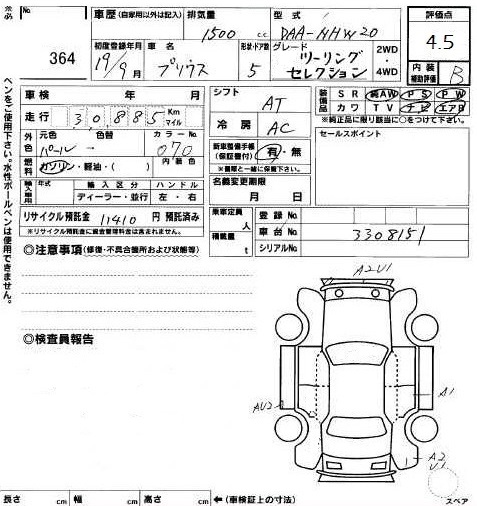
The comments section is where the truth lives. Inspectors use standard Japanese abbreviations and symbols. You must know the critical ones.
B (Dent): B1 is a tiny dent. B3 is large and obvious.
K (Scratch): K2 is a light scratch. K3 is deep, possibly through the paint.
H (Repair/Rust): H is a repaired area. HR means there is active rust. This is a major red flag.
U (Dented Wheel): Marks damage to the alloy wheel.
W (Needs Work): WR means needs repair. W alone signals minor issues.
Y (Replace): An item needs replacement (e.g., Y for tire).
X (Non-operational): XA/C means the air conditioning doesn't work.
AA, AB: These often refer to interior smell or smoke contamination.
Reading the sheet is step one. You must build a system around it.
Use a Trusted Agent: Never buy direct without local representation. A good agent will physically view the car and translate the sheet honestly. They are your single most important partner.
Cross-Check with Photos/Videos: The sheet tells the "what." Photos and walkaround videos show the "where" and "how bad." Always review both. Does the photo of the K3 scratch match the description?
Know Your Market's Needs: A U (dented wheel) is a cheap fix. An XA/C in a hot climate is a serious problem. Filter your buys based on what your customers will and won't accept.
Start Conservative: When new to sheets, stick to Grades 4 and 3.5 with simple, clear comments. Avoid cars with multiple H marks or any HR. Build experience before chasing complex "bargains."
Keep a Log: Track the cars you buy. When they arrive, compare the actual condition to the sheet. This trains your eye and tells you which auction houses and inspectors are most accurate.
Not all auction houses grade the same way. Some are known for strict, accurate inspectors. Others have a reputation for being overly generous. Your agent should advise you on this. USS and TAA are major, generally reliable networks. Smaller local auctions can offer value but require more caution. Always note the auction name on the sheet. Over time, you will learn whose "Grade 4" truly matches your standards. This knowledge is as valuable as understanding the grades themselves.
The auction grade does not tell the full story. Always check the odometer reading (KM) against the vehicle's age. Extremely low mileage on an older car can be a positive, but sometimes signals long periods of inactivity. Look for the "W" (Walkthrough) section or notes on service books. Comments like "S.HIST" (Service History) or "B.OX" (Owner's Manuals Present) add significant value and reassure you of the car's care. A Grade 4 car with full history is often a better investment than a Grade 5 with none.
When you see these marks, know your next move:
HR (Active Rust): Just walk away. The corrosion is always worse than it looks.
Multiple B3/K3 Marks: This car has significant cosmetic damage. Get detailed photos and calculate full repaint or panel repair costs before bidding.
XX or X on Major Items: XX often means an item is missing. XENG (engine problem) or XMT (transmission problem) means do not buy unless you are a specialist mechanic. The repair cost and hassle will erase any savings.
Mastering the Japanese auction sheet is a direct path to smarter buying. Remember, the grade is just the starting point. True insight comes from decoding the symbols, understanding auction house reputations, and cross-referencing photos with the written report.
A clean Grade 3.5 with minor marks can be a better buy than a flawless, expensive Grade 5. Always rely on a trusted local agent and start with conservative purchases to build your knowledge.
The sheet is your most powerful tool, treat it as a technical document, not a suggestion. Invest the time to learn it, and you will invest in better, more predictable stock every time.
For Latest updates
Importing a car from Japanese car auctions UK is a smart move, but only if you can read the car auct...

1. The Rise of Japanese Kei cars Auto AuctionsKei cars rule Japanese auctions because they're the ul...

Looking to buy cars from Japanese auction platforms? You’re making a smart choice. Japanese car au...

Looking to buy cheap cars from Japan? Japanese auto auctions offer incredible deals, but the true Ja...
Check out other articles related to Auction insight.
Is Buying from Japanese Car Auctions Cheaper? Real Japanese Auction Car Prices Breakdown