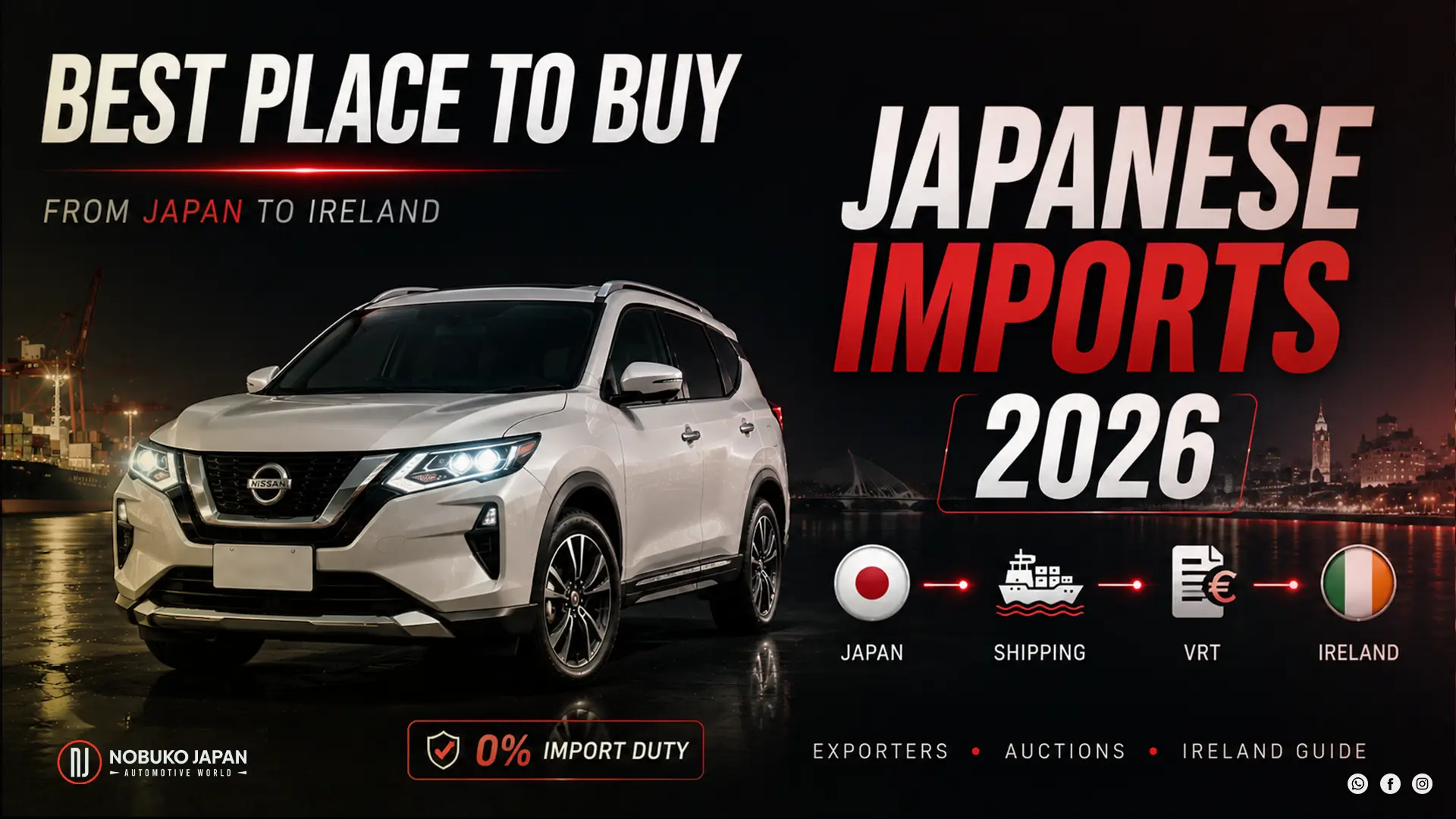
By Nobuko Japan Import Team | Updated: April 2026 | 100+ Irish imports handled since 2014
USS, TAA, JU Net Auction Access |EU-Japan EPA Compliant | Dublin Port Delivery
| There are three ways to buy a Japanese car for export to Ireland: a full-service exporter who handles everything from USS, TAA, or JU Net auction bidding to Dublin Port delivery; an online marketplace like CarFromJapan or Goo-net Exchange for buyers who want to browse independently; or DIY auction bidding through a broker, which is cheapest but requires experience. For first-time Irish buyers, a full-service exporter is the correct choice. They provide translated auction sheets, MLIT emissions documentation for VRT, and handle Irish customs paperwork. In 2026, import costs are lower than ever: 0% customs duty under the EU-Japan Economic Partnership Agreement and a weak Japanese yen. |
Two things have aligned in 2026 that make Japanese imports to Ireland more financially compelling than at any point in the past decade. The first is the EU-Japan Economic Partnership Agreement, which removed customs duty on Japanese-manufactured cars from February 2026. Before this, Irish buyers paid 10% duty on the combined car and shipping value. On a €5,000 car with €1,000 shipping, that was €600 straight to Revenue before VAT. That charge is now gone for Toyota, Honda, Nissan, Mazda, Subaru, and Suzuki models built in Japan.
The second factor is the Japanese yen. It has depreciated approximately 30% against the euro over the past five years. A car that cost the equivalent of €7,000 in 2019 now costs around €5,000 at the same quality level. The combination of zero duty and a weak yen means Irish buyers are getting more car for less money than at any previous point in the import market.
Every Irish buyer sources their Japanese car through one of three routes. The right route depends on your experience level, how much time you want to spend managing the process, and whether you need help with Irish-specific paperwork like MLIT emissions documentation and VRT estimation.
| Factor | Full-Service Exporter | Online Marketplace | DIY Auction Bidding |
| Ease of use | High | Medium | Low |
| Cost | Medium | Low to medium | Lowest |
| Auction sheet help | Full translation | Some platforms | You learn yourself |
| VRT documents | Included | Limited | Not provided |
| Best for | First-time buyers | Confident buyers | Trade buyers only |
The table is a starting point. Most Irish buyers, particularly first-time importers, fit the full-service exporter column. The VRT documentation point is critical for Ireland specifically. Revenue Commissioners require official CO2 and NOx figures from Japan's Ministry of Land, Infrastructure, Transport and Tourism to calculate VRT correctly at the NCTS centre. Not every online marketplace or DIY broker provides this automatically. Without it, Revenue applies a flat rate that is consistently higher than the actual measured figure.
A full-service exporter handles the entire process from auction bidding in Japan to the car arriving at Dublin Port. They have direct access to the major Japanese auction networks, USS (Universal Auto Auction), TAA (Toyota Auto Auction), and JU Net, which together cover the majority of used car transactions in Japan. They bid on your behalf, arrange export deregistration, book RoRo shipping, handle customs clearance, and provide the MLIT emissions documentation you need for NCTS.
Nobuko Japan has handled over 100 Irish imports since 2014. We source from USS, TAA, and JU Net auction networks, inspect every car before shipping, and provide a translated auction sheet with every purchase. We include official MLIT CO2 and NOx documentation with every shipment as standard, because Irish buyers who arrive at NCTS without emissions proof pay more than they should.
JDM Auction Watch, based in Mullingar, has over 20 years of experience sourcing directly from Japan and specialises in classics, performance cars, and specialist 4x4s. Having a local Irish contact is useful for buyers who want face-to-face communication. Davey Japan has exported over 60,000 vehicles worldwide and suits buyers who want a high-volume, established operation with broad model access.
WHAT TO ASK ANY FULL-SERVICE EXPORTER Before committing: confirm they have direct auction access (not sub-agent access), ask to see a sample translated auction sheet, confirm MLIT emissions documentation is included in the price, and ask for the names of their shipping lines. Exporters with real auction membership provide specific answers. Those working through intermediaries often cannot. |
Online marketplaces let you browse thousands of Japanese cars with photos, prices, and condition information before making a decision. CarFromJapan connects buyers with multiple Japanese exporters and allows you to compare quotes for the same vehicle from different suppliers. Goo-net Exchange is one of Japan's largest used car listing platforms, covering dealer stock across the country. Both platforms are legitimate and established, but the level of Irish-specific support, particularly for VRT documentation, varies between individual exporters listed on each platform.
The practical limitation of online marketplaces for Irish buyers is documentation. Platforms facilitate the purchase and shipping but do not always ensure the MLIT emissions data arrives with the car. This gap is manageable if you specifically request emissions documentation before the car ships, but it adds a step that a full-service exporter handles automatically. For buyers who understand auction sheets, know which grades they want, and are comfortable managing the VRT preparation themselves, marketplaces offer excellent choice at competitive prices.
Whether you use a full-service exporter, a marketplace, or a DIY broker, you will encounter the Japanese auction grading system. Every car sold through USS, TAA, and JU Net receives a grade from 1 to 5 based on exterior and interior condition. The grade is not the full picture. The auction sheet documents every scratch, dent, stain, and repair with specific location codes. Grade alone without the sheet is not enough information to make a safe purchase.
| Grade | Condition | For Irish Import? | Price Impact |
| 5 | Near showroom, no visible defects | Yes, premium pick | 15 to 25% above Grade 4 |
| 4.5 | Excellent, minor surface marks only | Yes, best value | Sweet spot for imports |
| 4 | Good condition, small noted scratches or dents | Yes, solid choice | Standard import grade |
| 3.5 | Average, visible marks, no structural issues | Minimum recommended | Lower price, check sheet carefully |
| R | Repaired damage. Check sheet for what was fixed. | Check details first | Varies |
| 1 to 3 | Poor to fair condition | Avoid | Cheap but risky |
Grade 4 or 4.5 is the standard recommendation for Irish imports. These cars are in good to excellent condition with minor marks that do not affect mechanical integrity or roadworthiness. Grade 5 cars are near showroom and command a premium that is rarely justified for practical daily use. Grade R cars require individual assessment. A replaced windscreen at Japanese repair standards is acceptable. Structural repair history is not. The difference is in the detail of the auction sheet, which is why translation matters.
Interior grades run separately from the exterior number. Interior grade A is excellent, B is good, C is average, D and E show visible wear. When Nobuko Japan translates an auction sheet, we flag any interior grade below B and any exterior mark codes that indicate previous repair work beyond cosmetic scratching. You see the full picture before the car leaves Japan.
A Galway-based buyer came to Nobuko Japan in late 2025 wanting a reliable family SUV with a €10,000 total budget. He had already found a 2016 Mitsubishi Outlander on an online listing that looked clean in photos. Before he paid, our team reviewed the auction sheet and identified structural repair history that was not visible in any of the listing images.
We sourced a 2017 Nissan X-Trail Grade 4.5 from USS auction instead. The car had 38,000 miles, full dealer service history, and no accident record. We provided the official MLIT emissions data confirming 138g/km CO2 before the car shipped, so he knew his VRT rate would be 20% on the Revenue OMSP. No surprises at the NCTS centre in Galway. The car has been on Irish roads for nine months without any mechanical issues.
His verdict: Nobuko Japan's auction sheet review saved me from buying a structurally damaged car. Having the VRT documents before the car arrived meant I walked into NCTS knowing exactly what I owed.
Not every Japanese exporter operates to the same standard. These are the warning signs we see consistently from buyers who have had problems before finding Nobuko Japan.
Before you transfer money to any Japanese car exporter, three checks take less than thirty minutes and protect you from the most common scams. First, ask for their USS, TAA, or JU Net membership number. These auction networks maintain registered member lists. A legitimate exporter can provide this immediately. Second, ask for two or three references from previous Irish buyers. Any exporter who has handled Irish imports successfully will have satisfied customers willing to confirm their experience. Third, for Irish-registered companies like JDM Auction Watch, check their Companies Registration Office filing at cro.ie to confirm the company is active and has been trading for the period they claim.
The extra thirty minutes this verification takes is insignificant compared to the cost of sending a deposit to an operation that disappears, or receiving a car in significantly worse condition than described. In a market where purchases happen at a distance and cars take weeks to arrive, due diligence at the selection stage is the only protection you have.
Use a full-service exporter for your first import. They handle auction bidding, MLIT emissions documents, and customs. Online marketplaces suit confident buyers who understand auction sheets.
Reputable exporters include official MLIT emissions data from Japan's Ministry of Land, Infrastructure, Transport and Tourism. Without it, Revenue applies a higher flat rate at NCTS.
Grade 4 or 4.5 from USS, TAA, or JU Net auctions. Always request the full translated sheet, not just the grade number.
Ask for their USS, TAA, or JU Net membership number, request references from previous Irish buyers, and verify Irish-registered companies at cro.ie.
Written by the Nobuko Japan import team based on 100+ Irish imports handled since 2014. Auction access verified through USS, TAA, and JU Net networks. EU-Japan EPA duty rates sourced from official EPA documentation. Irish company verification via Companies Registration Office at cro.ie. Last reviewed: April 2026.
For Latest updates
The Pakistani car market is constantly changing. In fact, sedan cars have been dominating the roads ...
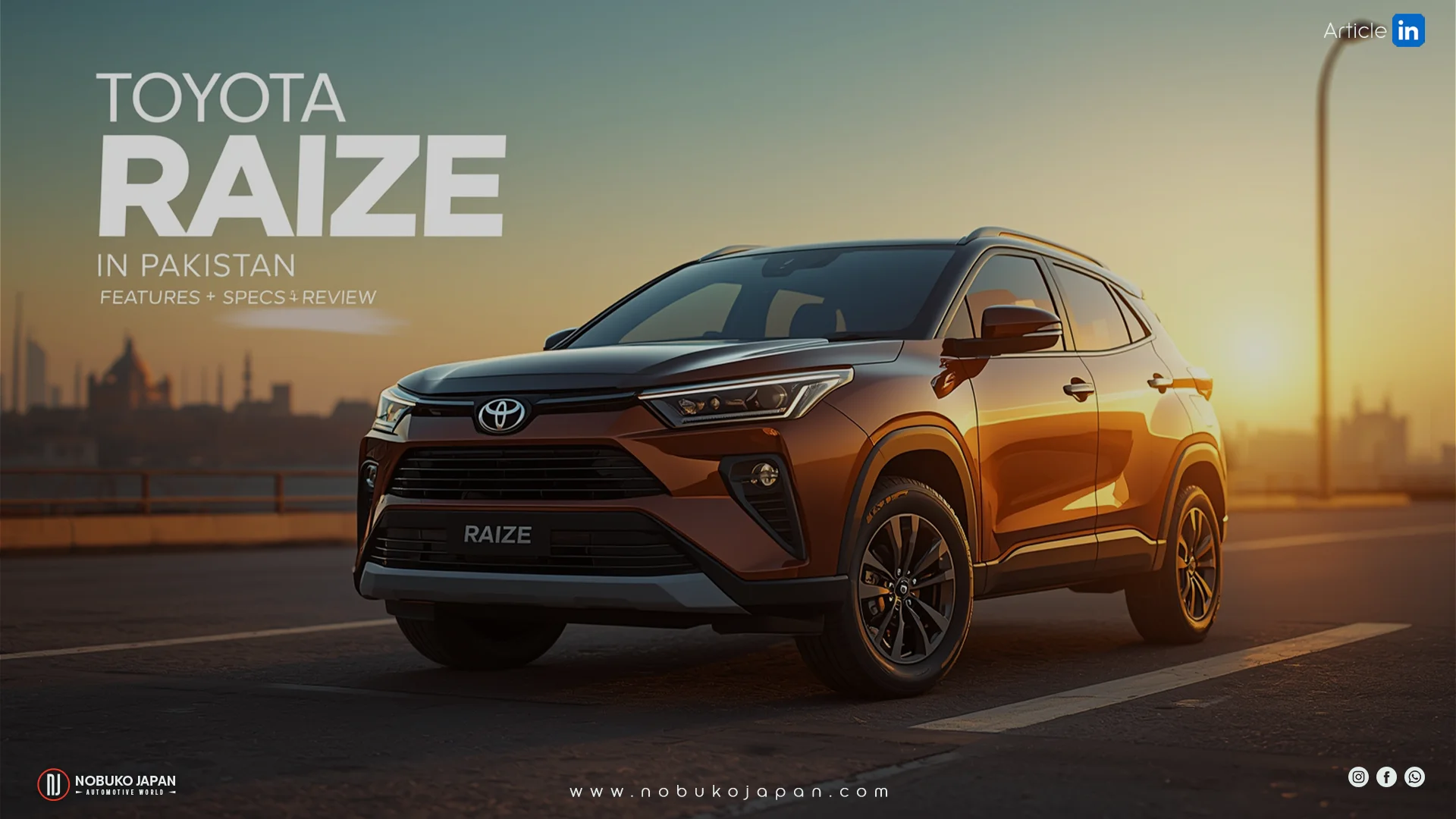
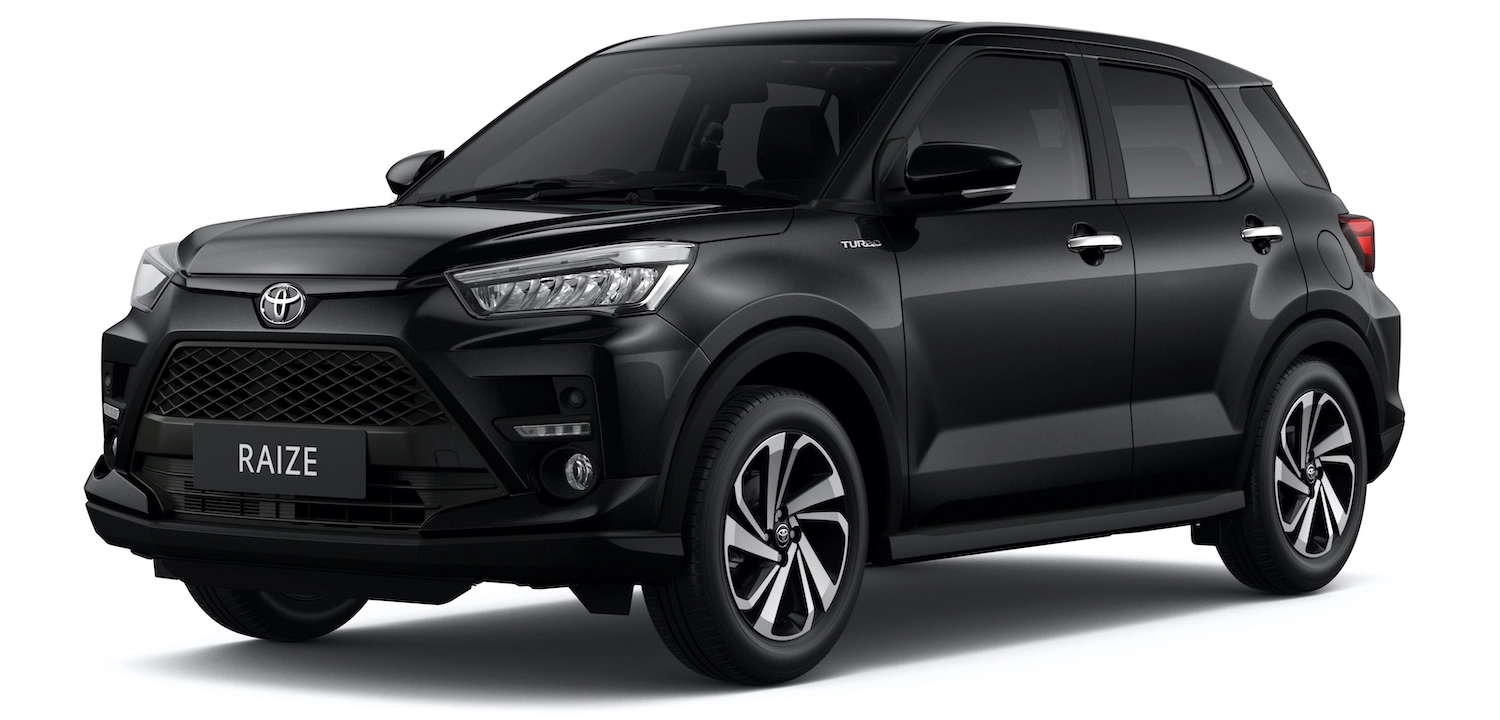
The Toyota Raize has gained popularity within the Pakistani roads since this mini-SUV resonates stro...
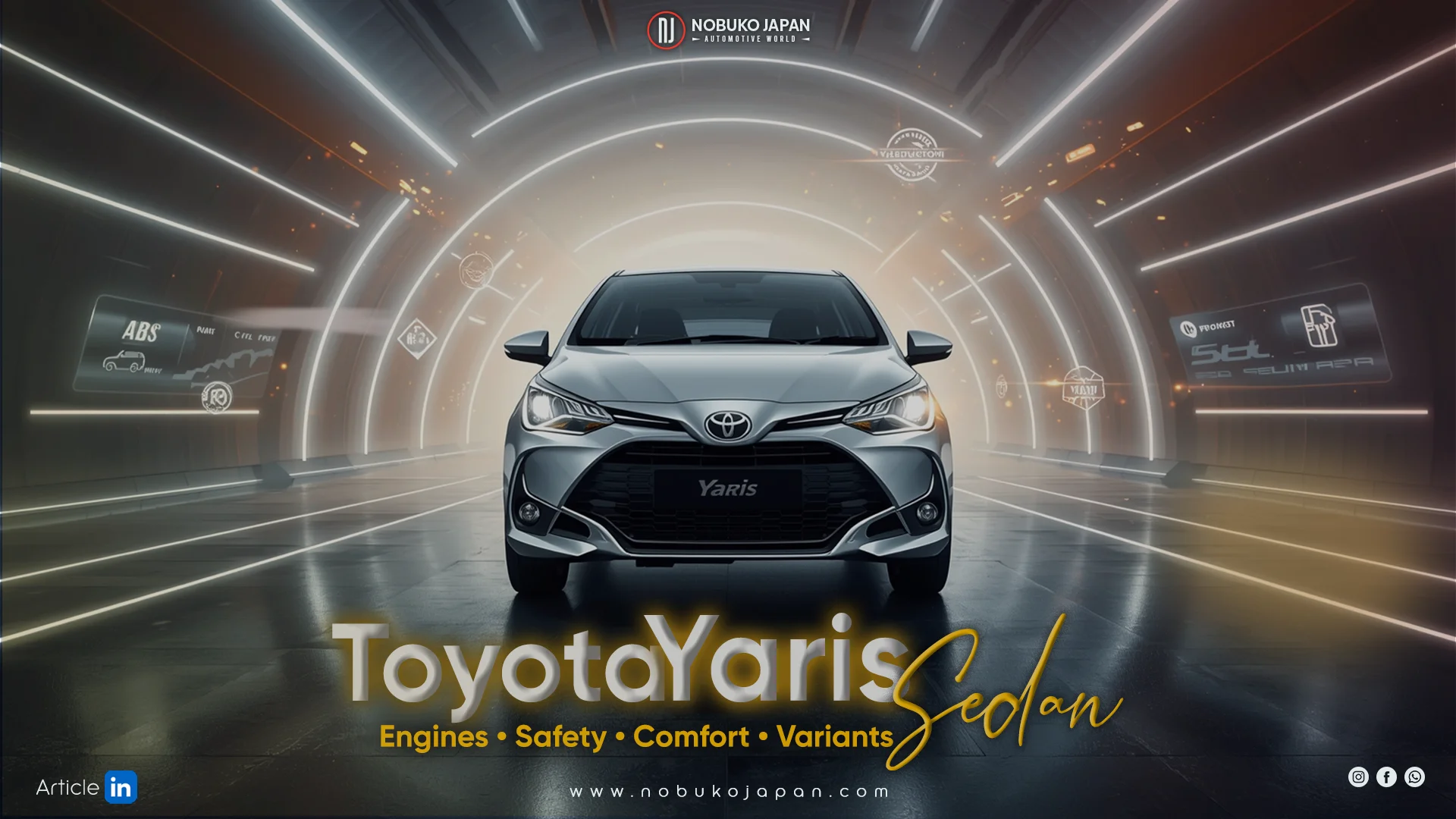
Toyota Yaris Sedan is one of the major vehicles in the Toyota portfolio across the globe. This provi...
Considering the purchase of a new automobile in Pakistan? The traffic is heavy, the cost of gas is n...
Check out other articles related to Buying Guides.
Is the Toyota Raize the Perfect Small SUV for Pakistani Families?