.webp)
Buying a used car from Japan is smart since the cars are often well-maintained but you are still buying from another continent. You cannot see the car in person which makes the vehicle's history your most important tool. A good history report confirms the car is real, clean, and valuable. A missing history is a major red flag so follow this 5-step guide to check any Japanese car's past. It's actually how you can protect your investment and buy with confidence.
Every check starts with one thing: the Chassis Number. In Japan, this is also called the Frame Number or VIN. You must get this from the seller or auction sheet.
Where to Find It: It is always on the auction sheet and a serious seller will provide it. It is stamped on the car's chassis, usually under the windshield or inside the driver's door.
Why This is Crucial: This 17-character code is the car's unique fingerprint. All history reports use this number since without it, you cannot proceed. Never buy a car if the seller will not give you the chassis number.
With the chassis number, you can buy a detailed history report from a Japanese agency.
Top Services: Use Goo-Net Exchange or JAAI (Japan Auto Appraisal Institute). These are the industry standards and your buying agent can usually do this for you.
Odometer History: It shows past readings to check for tampering.
Auction Grade History: You can see its past auction grades and condition reports.
Registration History: It confirms how many owners it had in Japan.
Repair & Maintenance Records: Good reports show if services were logged at dealerships.
Flood or Accident Damage: It will flag major damage events known to insurers.
This step confirms the car's story matches the auction sheet. A car with a consistent, well-documented history is a safer buy.
A car must be legally cleared for export. This step ensures you can actually ship it.
The Key Document: The Japanese Export Certificate. This proves the car has been deregistered in Japan.
Your agent should handle the deregistration process. Confirm that the "Japanese Vehicle Registration Certificate" (Shakken) has been properly surrendered.
Ensure there are no outstanding loans (liens) on the vehicle. A proper deregistration cannot happen if the bank still owns it. Your history report or agent should confirm this.
Red Flag: A seller who cannot provide clear proof of deregistration or talks about "quick export" procedures may be cutting corners. This can cause huge delays at the port.
The history report is data and visual evidence is proof.
Compare Every Detail: Look at the auction photos and any walk-around video. Match the car's condition to the history report and the current auction sheet.
Do the visible VIN plates in the engine bay and door match the number you were given?
Does the interior wear match the stated mileage?
Do you see any damage (rust, repair marks) that is not listed on the sheet?
Use the Video: A good agent will provide a video. Listen for engine sounds. Watch for smoke on startup. Look for warning lights on the dashboard. This is your closest look before buying.
Use free tools for a final check.
Google the Chassis Number: Sometimes, the full VIN appears on forum posts or older auction listings. This can reveal a longer history.
Search by Model & Details: Google the car's model, year, and any unique features. See if it appears on enthusiast sites. Cars loved by owners are often better cared for.
Check for Recalls: For modern cars, search for "[Manufacturer] Japan recall check" using the VIN. See if any major safety issues were addressed.
A unique and powerful part of Japanese car history is the "Shaken" record.
What is Shaken? It is the mandatory vehicle inspection in Japan, required every two years after the first three years. It is strict and costly.
Why It Matters: A complete "Shaken" history is a sign of a responsible owner. It means the car was maintained to a legal safety standard. More importantly, a valid, current Shaken certificate can be a huge benefit.
How to Check: Your Japanese history report should show the Shaken expiry date. A car with 6-12 months of valid Shaken remaining can save the next owner significant money and hassle, potentially increasing the car's resale value in your market. A car that has been sitting with an expired Shaken for years may have deferred maintenance issues.
After you win a bid but before the car is loaded on the ship, you have one last chance.
What is a PSI? A Pre-Shipment Inspection is a physical check done by a third-party inspector or your agent at the port yard. It is your last line of defense.
What It Covers: The inspector verifies the VIN, checks for any transit damage that occurred between the auction and the port, and does a final operational check (does it start, do lights work, is there new fluid leakage?).
Your Action Plan: For any high-value purchase, or if you had even minor doubts about the auction sheet, invest in a PSI. The small fee (usually $100-$200) can catch a major problem that would be infinitely more expensive to fix after import.
Buying a car unseen is a risk. A thorough history check is your safety net. Do not skip these steps. The small cost of a history report saves you from the huge cost of a bad car.
Your Action Plan: For every car, do this:
If any step fails if the VIN is hidden, the history is blank, or the photos don't match, walk away. There are thousands of cars and your business depends on buying the right ones. Use history to make a smart choice, every time. By adding the "Shaken" check and the final PSI, you move from basic verification to professional-grade due diligence. This is how you build a reputation for quality and protect your profit margin on every single vehicle.
For Latest updates
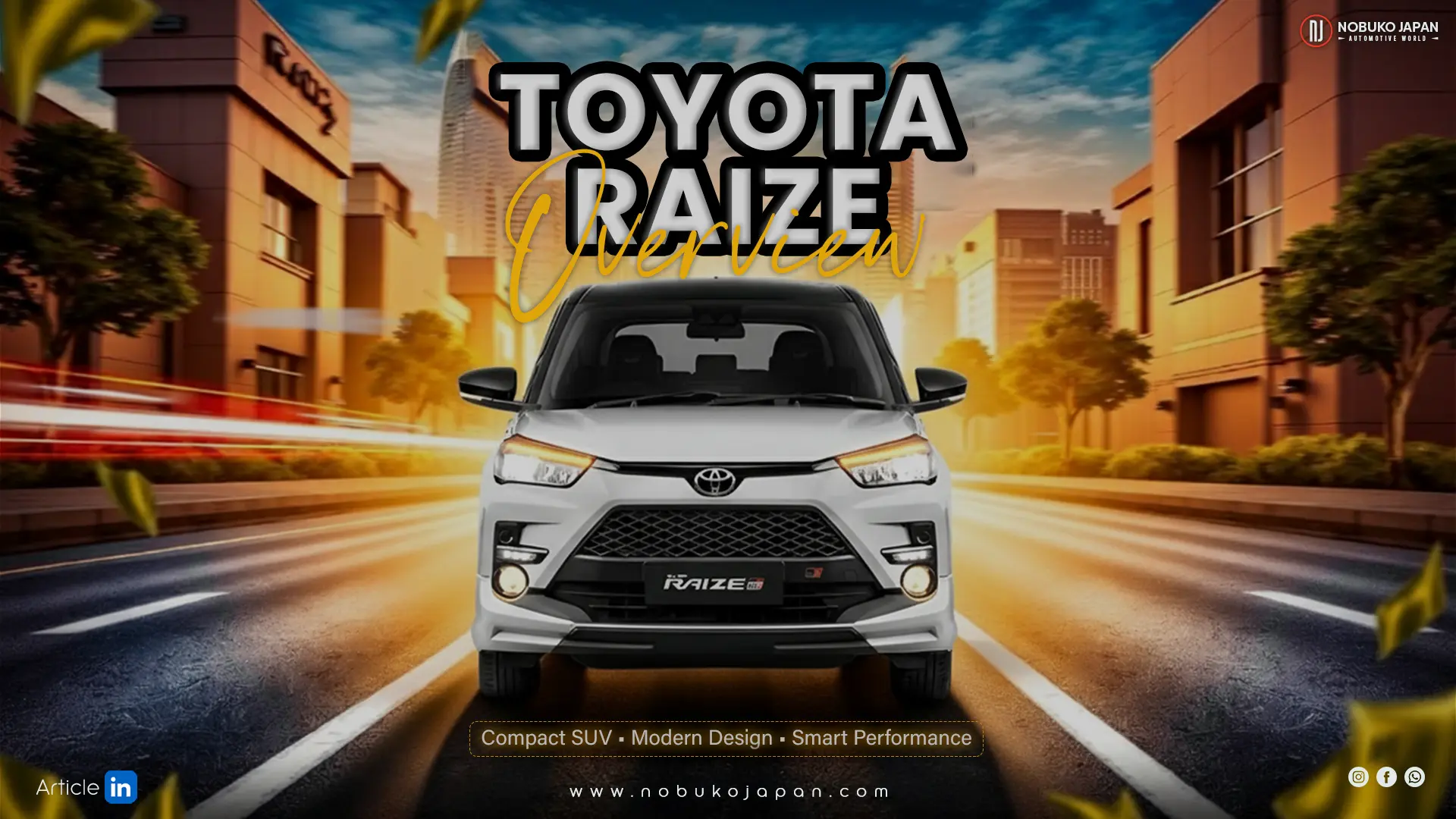
The Pakistani car market is constantly changing. In fact, sedan cars have been dominating the roads ...
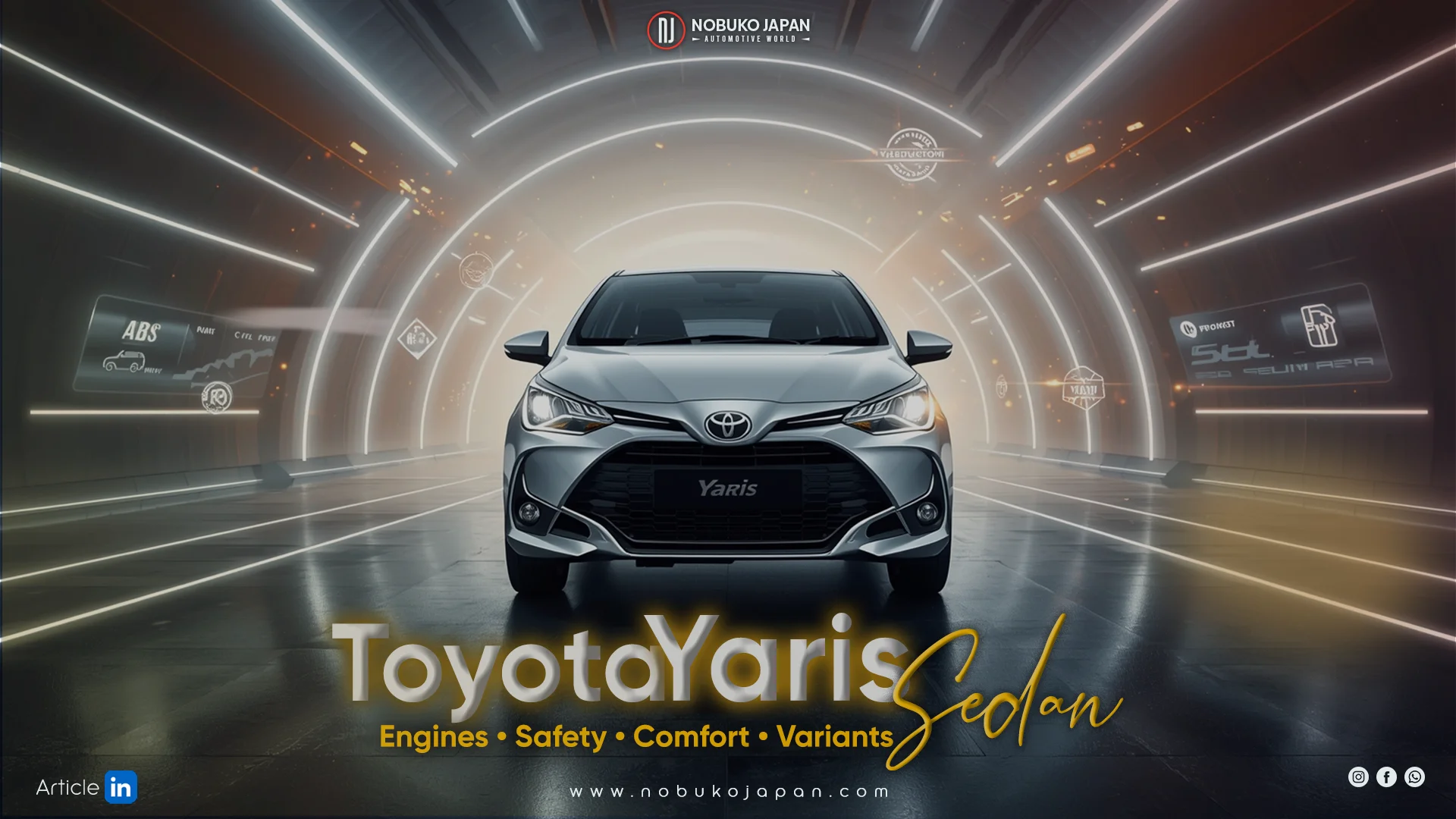
Toyota Yaris Sedan is one of the major vehicles in the Toyota portfolio across the globe. This provi...
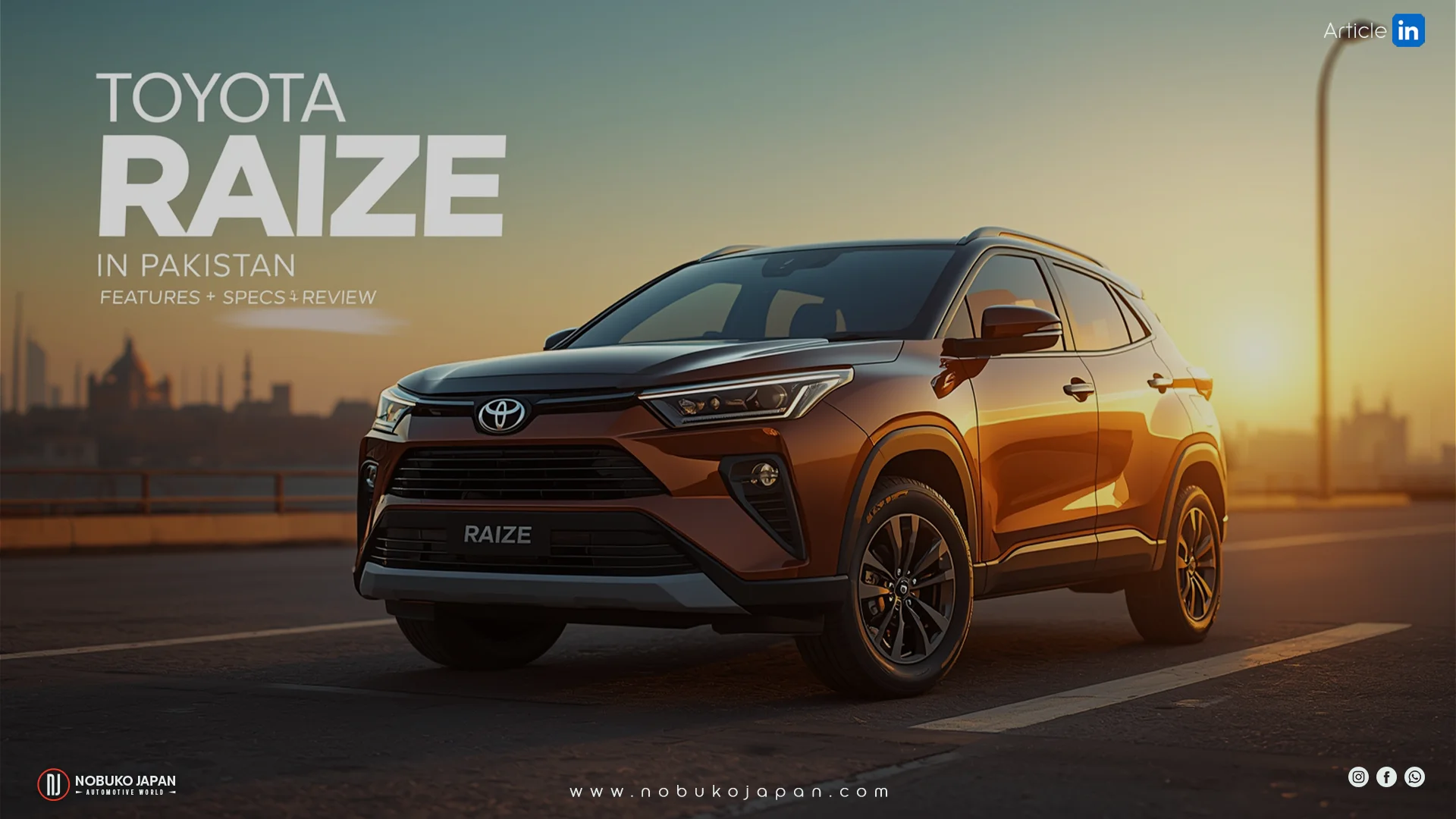
The Toyota Raize has gained popularity within the Pakistani roads since this mini-SUV resonates stro...
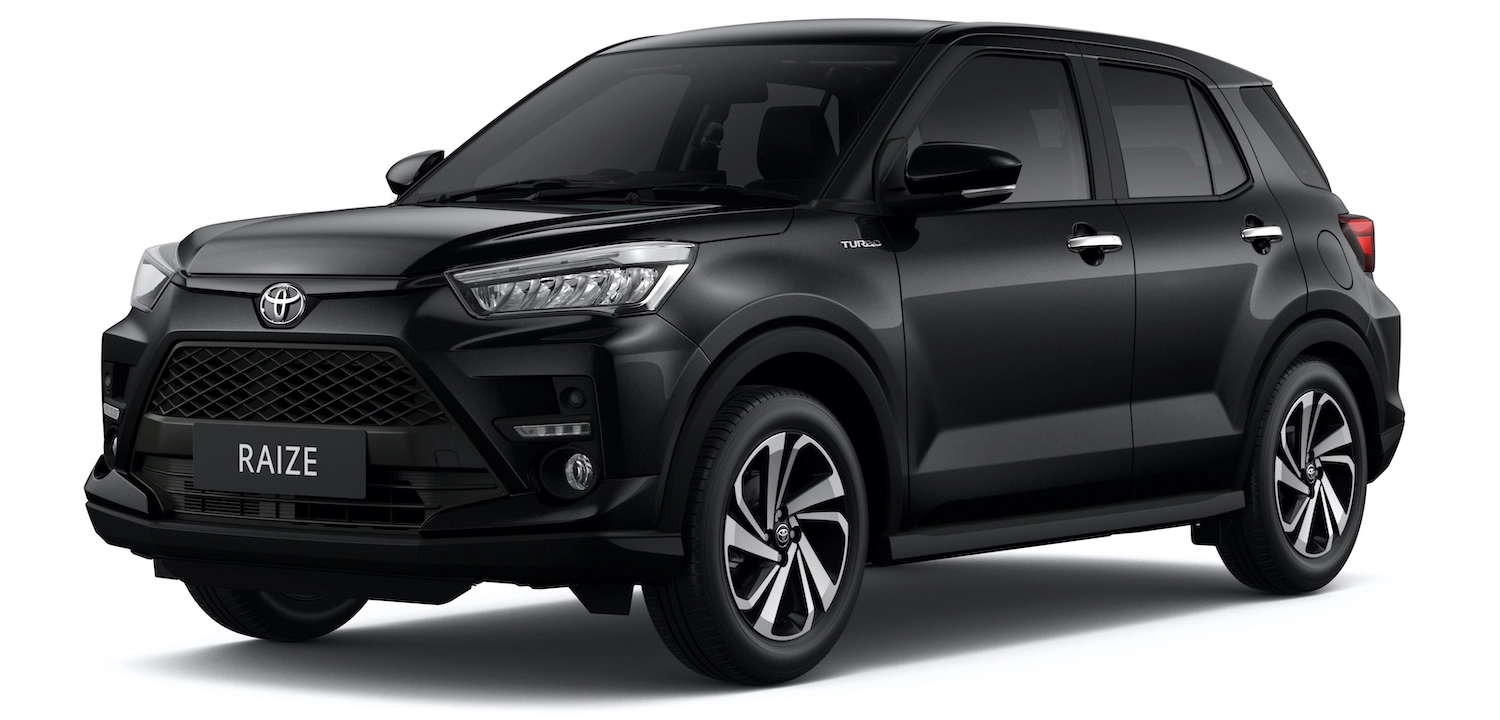
Considering the purchase of a new automobile in Pakistan? The traffic is heavy, the cost of gas is n...
Check out other articles related to Buying Guides.
Is the Toyota Raize the Perfect Small SUV for Pakistani Families?