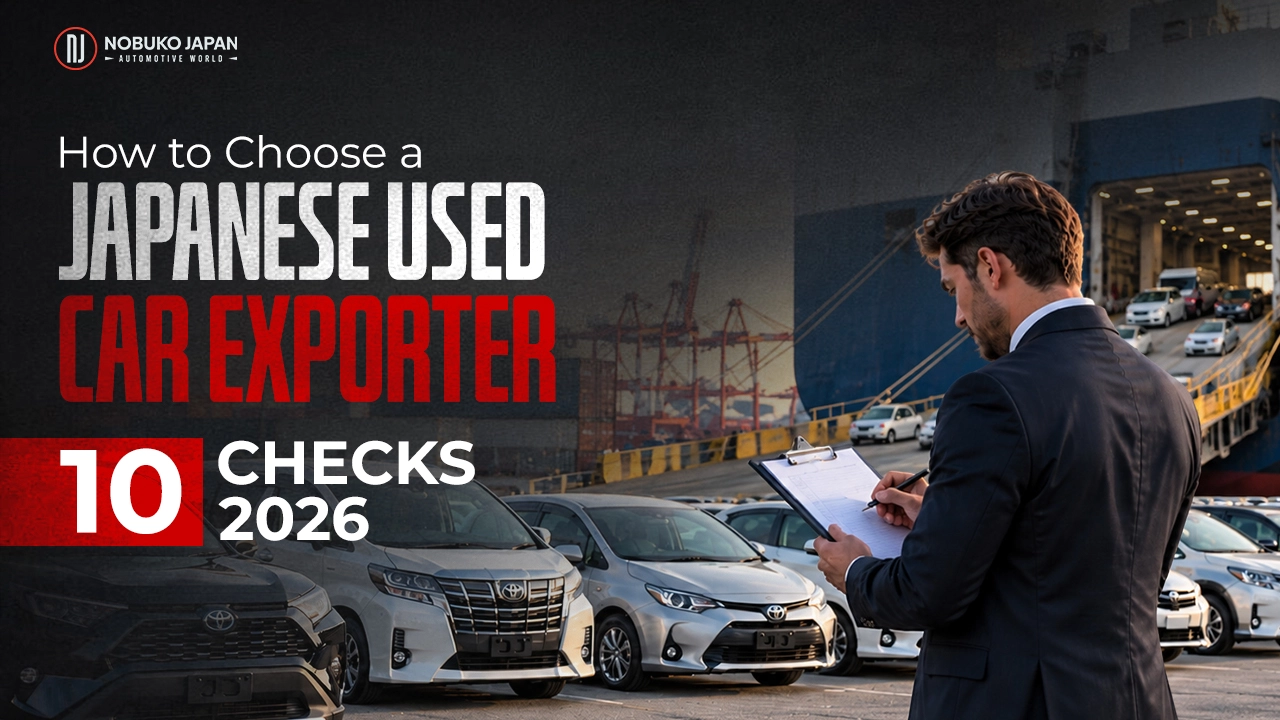
Buying a car from Japan can save a dealer or private buyer a real amount compared with local stock. That saving only holds if the Japanese used car exporter you pay is registered, licensed and honest. Every year, buyers lose deposits to fake exporters who copy stock photos, invent auction sheets and disappear after the first bank transfer.
Our Vehicle Sourcing Team has spent 14 years bidding at Japanese auctions and shipping cars to the UK, Ireland, Cyprus and Pakistan. We have seen most of the tricks. Below are the 10 checks we would run on any supplier, including us, before sending money.
Quick answer: a reliable Japanese car exporter is a registered Japanese company with a used goods dealer licence, real auction access, original auction sheets, a company bank account in its own name, and a review history you can trace back years.
Every legitimate Japanese company has a 13-digit corporate number. Search it on the National Tax Agency's Corporate Number Publication Site and match the name and address to the exporter's website. A real exporter also lists a physical office in Japan, not only a WhatsApp number. You can see our Tokyo office details on our contact page.
In Japan, any business that buys and sells used cars needs a used goods dealer licence (kobutsusho kyoka) from the prefectural Public Safety Commission. A genuine Japanese used car supplier will give you the licence number without hesitation. If they dodge the question, walk away.
Japanese car auctions such as USS, TAA and CAA are dealer-only. Overseas buyers cannot bid directly; you need an exporter or a Japan car auction agent with membership. Ask which auction houses they use and request the lot number for any car they offer. Our Japanese car auctions page shows live auction stock, and our step-by-step auction guide explains the bidding process.
The auction sheet is the inspector's report: overall grade, interior grade, mileage and a damage map. Always ask for the original Japanese sheet, not a retyped summary. In our experience, a missing or "cleaned up" sheet is the most common sign of a hidden problem. Use our free auction sheet translator or read our auction sheet guide to check it yourself.
A trustworthy exporter shares the full chassis number before you pay. With it, you can confirm past auction records, mileage readings and model details. We explain the free methods in how to check a Japanese car's history by chassis number.
So, is buying a car from Japan safe? Yes, when payment goes to a bank account in Japan held in the exporter's registered company name. Never pay into a personal account or an account in a third country. If bank details change by email at the last minute, phone the exporter on a number from their website before transferring; invoice fraud often works this way. Our payment and deposit rules are set out in our terms of trade.
A reliable exporter quotes every line: car price, auction fees, inland transport, export certificate, freight, insurance and inspection. You should also know the taxes due at your end, such as duty and VAT in the UK or VRT in Ireland. If the quote is one round number with no breakdown, ask why. Our 2026 import cost breakdown shows what a full quote should include.
Check Trustpilot and Google, not only the testimonials on the exporter's own site. Look for reviews that name staff, mention specific cars and are spread over several years. A sudden burst of five-star reviews in one week is a warning sign. You can read our customer testimonials and our Trustpilot profile.
Before paying, ask what documents you will receive. You should get a commercial invoice, the export certificate and the bill of lading. Ask how the car will ship and how long it takes. Our country pages list typical shipping times: 4–6 weeks to the UK and Ireland, 3–5 weeks to Cyprus and 6–8 weeks to Pakistan. For shipping methods, see shared vs dedicated containers.
Each country has its own import rules. Ireland needs VRT and an NCT; Pakistan has age limits and port clearance documents; US buyers face the 25-year import rule. A good exporter will flag problems before you bid, not after the car lands. Read our market guides for Ireland, Cyprus and the USA.
| Red flag | What it usually means |
| Price far below recent auction results | Bait listing or a car that doesn't exist |
| Payment to a personal or non-Japanese account | High risk of fraud |
| No original auction sheet, or no chassis number | Hidden damage or mileage problems |
| Only a mobile number, no office address | No registered business behind the name |
| Pressure to pay today to "hold" the car | Rushing you past your checks |
Check their corporate number, used goods dealer licence, office address and independent reviews. Then confirm the bank account is in the company's own name in Japan.
No. Japanese auctions are dealer-only, so overseas buyers bid through a member exporter or auction agent.
Often, especially for low-mileage hybrids, MPVs and German cars sold in Japan. Always compare the full landed cost, not the auction price alone.
If you'd like to run these checks on us, we welcome it. Read about Nobuko Japan, see our service plans, browse Japanese used cars for sale, or request a specific car and our buyers will find it at auction.
Nobuko Japan Vehicle Sourcing Team
Our sourcing team has 14 years of experience in Japanese used vehicles. The team bids daily at Japanese auctions, reads and translates auction sheets, and manages export for dealers and private buyers in the UK, Ireland, Cyprus, Pakistan and the USA. This guide reflects the checks we use when vetting auction partners and the questions our customers ask us most often.
Last reviewed: October 2026.
For Latest updates
The Pakistani car market is constantly changing. In fact, sedan cars have been dominating the roads ...
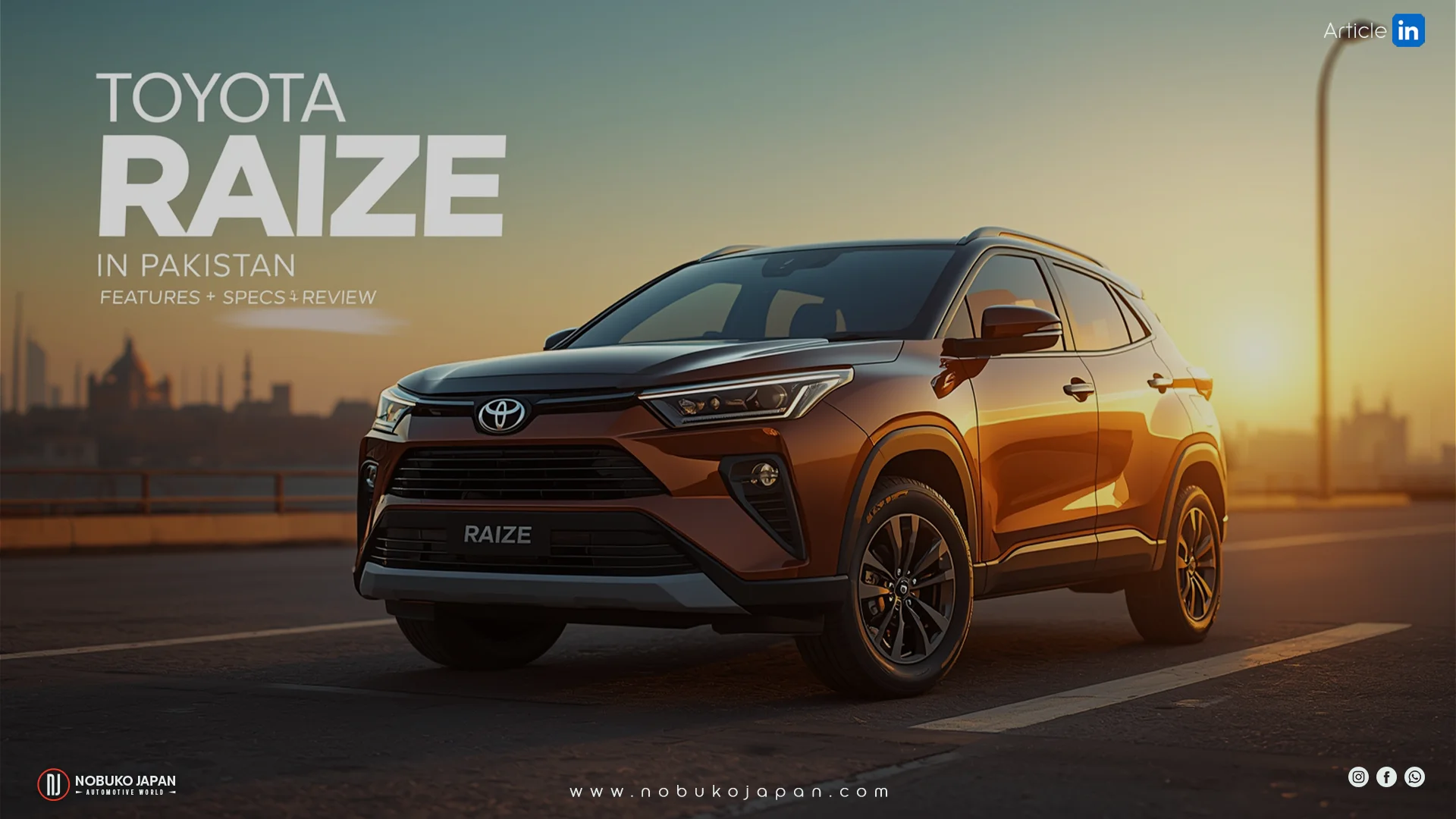
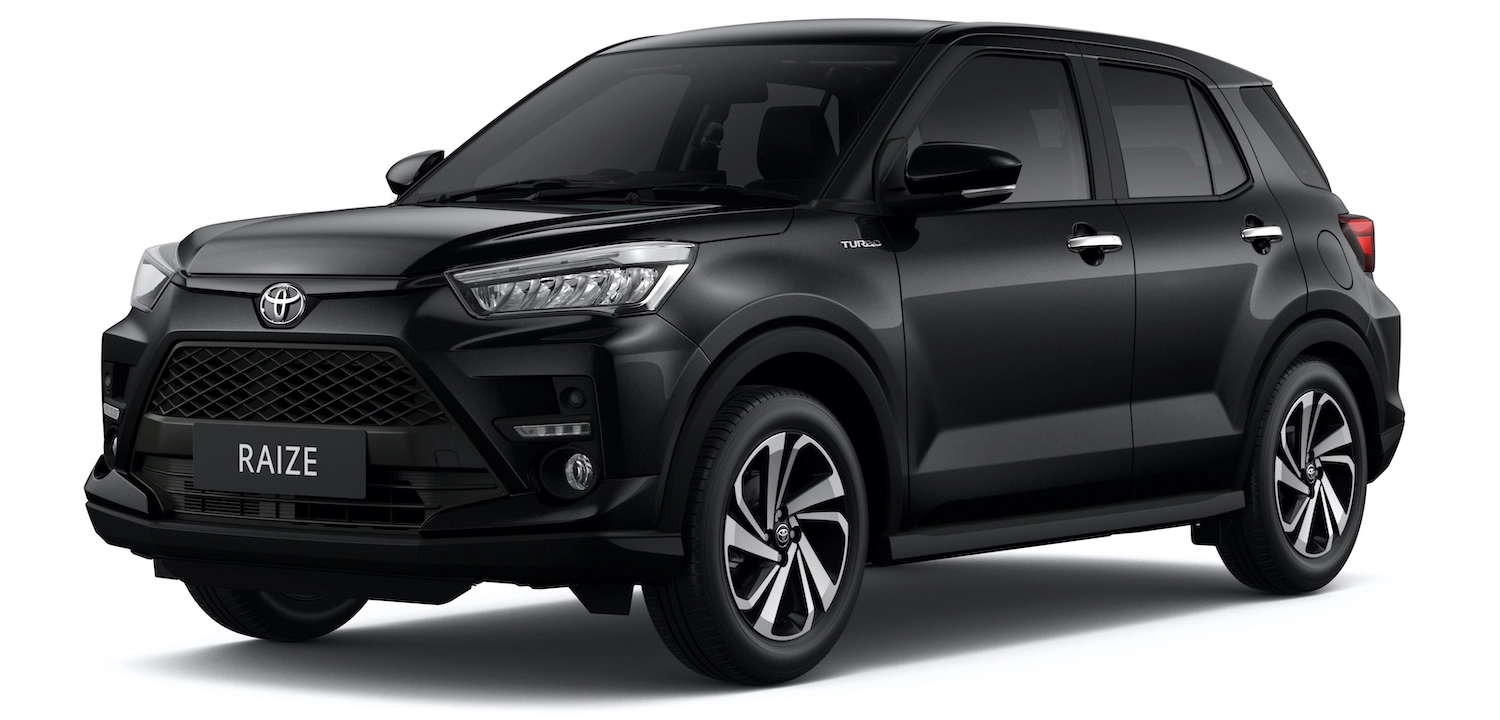
The Toyota Raize has gained popularity within the Pakistani roads since this mini-SUV resonates stro...
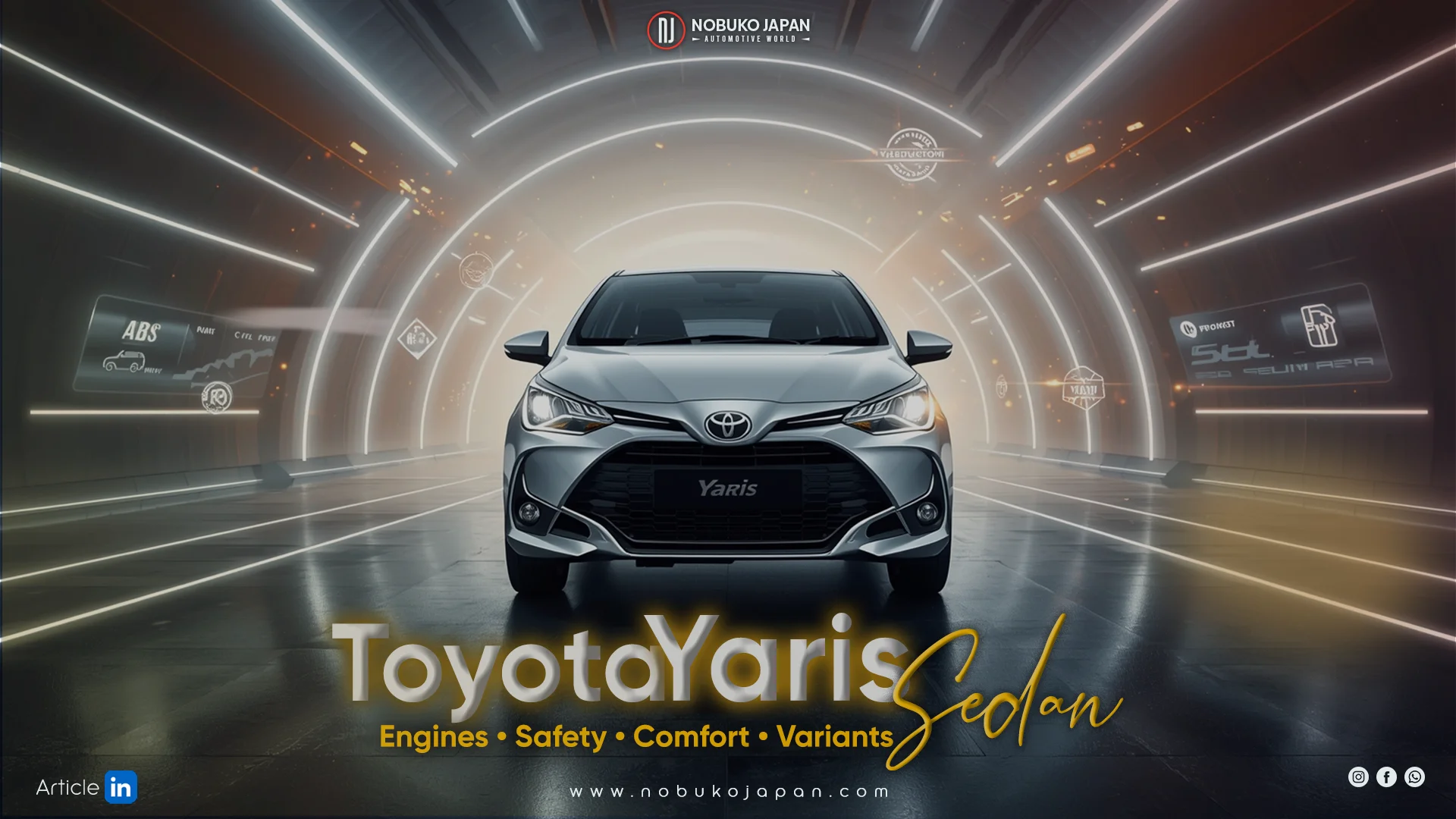
Toyota Yaris Sedan is one of the major vehicles in the Toyota portfolio across the globe. This provi...
Considering the purchase of a new automobile in Pakistan? The traffic is heavy, the cost of gas is n...
Check out other articles related to Buying Guides.
Is the Toyota Raize the Perfect Small SUV for Pakistani Families?