
Importing a car from Japan to the UK is becoming more popular with drivers every year. 2026 is one of the years when importing cars from Japan would be most convenient for motorists. This is because the new UK-Japan Comprehensive Economic Partnership Agreement (CEPA) will cut the import tariffs to 0% by 2026.
As a result, making Japanese cars will be much cheaper. Japanese vehicles are reliable, feature low mileage, and are of superior quality. Besides, they have specifications that cannot be found in any of the cars sold in the UK market.
Indeed, when you import cars from Japan, you have a variety of good-quality and reasonably priced vehicles to choose from. This is a guide that teaches you everything about importing cars from Japan to the UK, such as selecting a car, shipment, import regulations, taxes, DVLA registration, and making the car roadworthy.
The UK-Japan Comprehensive Economic Partnership Agreement (CEPA) is transforming the economics of importing Japanese vehicles. While the normal customs duty stands at 10%, automobiles that fit the requirements of the rule of origin get charged a lower duty rate of 1.3% in 2026. By the end of 2026, this rate will reduce to 0%. This is one of the cheapest times ever to import a Japanese automobile into the United Kingdom.
Here are the types of Japanese cars UK buyers most often choose:
| Category | Popular Models | Why UK Buyers Choose Them |
|---|---|---|
| JDM Classics | Nissan Skyline GT-R (R32, R33, R34), Toyota Supra, Honda NSX, Mazda RX-7, Subaru Impreza WRX, Mitsubishi Lancer Evolution | Legendary performance, UK models lacked these specifications, strong enthusiast community |
| 4×4 & Off-Road | Toyota Land Cruiser (70, 80, 100, 200 Series), Mitsubishi Pajero/Shogun, Nissan Patrol | Exceptional durability, lower mileage than UK equivalents, ideal for rural use |
| Hybrids & Eco | Toyota Prius, Toyota Aqua, Nissan Note e-Power | Excellent fuel economy, lower tax bands, reliable hybrid technology |
| People Carriers | Toyota Estima/Previa, Nissan Elgrand, Toyota Alphard, Honda Stepwgn | Spacious interiors, reliable engineering, popular for camper conversions |
| Kei Cars & Vans | Suzuki Every, Honda Acty, Daihatsu Hijet | Compact, fuel-efficient, perfect for city driving and small business use |
UK import rules and regulations are different depending on the age of the vehicle. The vehicle's age decides what tests and requirements it must meet before it can be registered and driven in the UK.
| Vehicle Age | Testing Required | Notes |
|---|---|---|
| Under 3 Years | SVA/IVA test, then standard registration | Most stringent requirements |
| 3–10 Years | IVA test + MOT test | Must prove compliance with UK standards |
| Over 10 Years | Standard MOT test only | No IVA required—significant savings in time and cost |
The 10-Year Rule Advantage: Vehicles over 10 years old only require a standard MOT test, bypassing the more complex Individual Vehicle Approval (IVA) process. This makes older classics significantly easier and cheaper to register, which is a key consideration for enthusiasts.
All vehicles under 10 years old must pass an Individual Vehicle Approval (IVA) test. This test is carried out by the Driver and Vehicle Standards Agency (DVSA) to make sure the vehicle meets UK safety and environmental standards.
It is mandatory to notify HMRC within 14 days from the arrival of your vehicle in the UK through the NOVA (Notification of Vehicle Arrivals) service. This online procedure is a declaration by the importer of the vehicle and sets off the computation of any duty and VAT that may be due.
Please note that failure to make the above declaration will result in penalties.
The standard customs duty is 10% of the total value of the vehicle. It involves the purchase price, delivery, and insurance. Nevertheless, there are vehicles that fall under the UK-Japan CEPA program and are eligible to be charged with 1.3% customs duty, which will eventually drop to 0% by the end of 2026.
A 20% VAT is levied on the sum of the automobile value, delivery cost, and customs duty.
Let us take the example of a 2018 Toyota Land Cruiser that was bought from an auction in Japan for £30,000 with £2,000 cost for shipping and insurance:
| Component | Calculation | Amount |
|---|---|---|
| Vehicle + Shipping + Insurance | – | £32,000 |
| Customs Duty (10% standard) | £32,000 × 10% | £3,200 |
| VAT (20% on total) | (£32,000 + £3,200) × 20% | £7,040 |
| Total Taxes (Standard) | £10,240 |
The following steps will help you complete your vehicle journey with ease.
Options for Finding Your Car
Access Japan's largest auction houses (USS, AUCNET, TAA) through a trusted exporter. You'll receive real-time bidding access with full auction sheets and translations. This option to import a Japanese vehicle offers the best prices but requires knowledge of the auction system.
Purchase from ready-to-ship inventory with fixed wholesale prices. No bidding, no surprises; this is ideal for first-time importers.
If you are able to go to Japan, you could visit dealerships or private sellers and check out the car before purchasing. However, this is time-consuming and adds travel costs as well.
Choosing the right Japan to UK shipping method depends on your budget and the type of vehicle you are importing.
| Method | Transit Time | Best For | Cost Range |
|---|---|---|---|
| Ro-Ro (Roll-on/Roll-off) | 24–34 days | Budget-friendly, running vehicles | £800–£1,500 |
| Shared Container (20ft/40ft) | 24–34 days | Secure option, costs shared | £1,200–£2,000 |
| Full Container Load | 24–34 days | High-value classics, non-running vehicles, extra protection | £2,000–£3,500+ |
Document the condition of the vehicle by taking pictures prior to shipment, focusing on the side skirts, axles, and wheels. Such pictures will be useful in determining any damage done to the car during shipping and support the insurance claim.
Get comprehensive marine insurance before your vehicle is shipped. It protects your vehicle against damage, loss, or theft during transport.
Essential Documents for Import
| Document | Source | Purpose |
|---|---|---|
| Customs Import Declaration (C88) | Customs Declaration Service (CDS) system | Customs clearance |
| Proof of Ownership (Invoice or Bill of Sale) | Seller/Dealer | Proves legitimate purchase |
| Export Certificate | Japanese Customs Authorities | Confirms vehicle is deregistered and legally exported |
| Shipping Note & Bill of Lading (BOL) | Shipping Agency | Proof of shipment |
| Vehicle Registration Certificate (or VIN) | Seller/Dealer | Identifies the vehicle |
| Proof of IVA | DVLA (post-arrival) | Confirms UK compliance |
| Insurance Documents (including transit cover) | Shipping Agency or Private Policy | Proof of insurance |
| Shipping Invoice | Shipping Agency | For customs valuation |
| Photo ID (Passport) | You/Applicant | Identity verification |
| Japanese Export Certificate | Japanese Authorities | Original foreign registration document |
Note: All documents should be originals, not photocopies, when presented to UK authorities.
Vehicle Arrives at UK Port: Your shipping agent handles unloading and arranges customs clearance.
NOVA Declaration: Within 14 days of arrival, submit your Notification of Vehicle Arrivals via the NOVA online service. Your shipping company can handle this on your behalf.
Tax Payment: HMRC will calculate any import duty and VAT due. You must pay these before your vehicle is released.
Customs Clearance: Your shipping agent will coordinate with HM Customs to clear your vehicle for release.
Customs clearance generally takes 2 to 5 days. This is based on whether all the documents are complete and the level of port activity.
For Vehicles Under 10 Years Old
Book Your IVA Test: Arrange your test booking at an authorized test centre. Early booking is advisable since it gets booked very quickly.
Prepare Your Vehicle: Ensure that your headlights, speedo, rear fog light, emissions, and any other required modifications are compliant with UK regulations.
Conduct Your Test: Bring your vehicle for the IVA test at the test center.
Get Your IVA Certificate: Provided your car meets the standards, you get an IVA certificate. This certificate is required for registering your vehicle at DVLA.
Once you have:
You can register your vehicle with the DVLA using:
DVLA processing typically takes 4–6 weeks to receive your V5C registration certificate.
Final Requirements Before Driving
The total cost of importing a car from Japan depends on the vehicle price, shipping, taxes, and registration fees.
| Category | Estimated Cost | Notes |
|---|---|---|
| Vehicle Purchase | Varies | Auction prices often lower than UK equivalents |
| Shipping (Ro-Ro) | £800–£1,500 | Cheaper option for running vehicles |
| Shipping (Container) | £1,200–£3,500+ | More secure, suitable for high-value cars |
| Marine Insurance | 0.5–1% of vehicle value | Protects during transit |
| Customs Duty (Standard) | 10% of (car + shipping) | Reduced rates available under CEPA |
| VAT | 20% of (car + shipping + duty) | Applies to all imports |
| IVA Test | £199–£294 | Mandatory for vehicles under 10 years |
| MOT Test | ~£55 | Required for vehicles over 3 years |
| DVLA Registration | £55 | One-time registration fee |
| Vehicle Excise Duty (VED) | Based on emissions | Annual tax |
| Modifications | £200–£1,000+ | Headlight conversion, speedometer, fog light |
Standard UK insurers often cannot quote for imported vehicles because they:
Your vehicle must NOT be driven (or even parked on a public road) until it is registered, taxed, and insured. All three must be in place before you turn a wheel on UK roads.
Top Problems First-Time Importers Face
| Problem | Solution |
|---|---|
| IVA Test Failure | Pre-shipment checks for headlights, speedometer, rear fog light, emissions |
| Unexpected Tax Bills | Use CEPA preference claims; work with a customs agent who understands reduced rates |
| NOVA Declaration Delays | Complete within 14 days; have shipping agent handle it |
| Specialist Insurance Challenges | Contact specialist JDM insurers before purchase |
| Undisclosed Damage | Work with reputable exporters providing auction sheets and photos |
| Customs Clearance Hold-ups | Ensure all documents are originals and complete |
Typical Import Timeline (2026)
| Stage | Duration |
|---|---|
| Vehicle Sourcing | 1–4 weeks |
| Payment Processing | 2–5 working days |
| Export Documentation | 3–7 working days |
| Shipping (Japan to UK) | 24–34 days |
| Customs Clearance | 2–5 working days |
| IVA/MOT Testing | 1–3 weeks (book in advance) |
| DVLA Registration | 4–6 weeks |
| Final Preparation | 1–2 weeks |
| TOTAL | 6–12 weeks |
Yes. Importation of second-hand vehicles into the UK from Japan is permitted. If you are importing a vehicle that is less than 10 years old, it needs to be tested through the IVA test, and if the vehicle is more than 10 years old, it just needs the MOT test.
There is no formal age ban. However, vehicles under 10 years old require IVA testing, while vehicles over 10 years old only need an MOT, making older imports simpler and cheaper to register.
Major ports include Southampton, Bristol, Liverpool, Tilbury, and Newcastle. Your choice depends on your final destination and shipping line schedule.
No pre-shipment inspection is required by UK authorities. However, reputable exporters provide auction sheets and can arrange additional inspections to ensure you know the vehicle's condition before purchase.
Sea transportation by Ro-Ro or container of Japanese cars to UK will take around 24 – 34 days.
Not really. You have to register your car with the DVLA, pay vehicle tax, and insure it to be able to drive on UK roads legally. Otherwise, you are breaking the law.
Using Ro-Ro shipping, selecting vehicles older than 10 years to avoid IVA test and utilizing reduced duty under CEPA are ways to save money on importing.
Common modifications include converting the speedometer to mph, adjusting headlights to dip right (rather than left), and installing a rear fog light. Your IVA test centre can advise on specific requirements for your vehicle.
Standard rates are 10% customs duty and 20% VAT on the total value. Under the UK-Japan trade agreement, qualifying vehicles may pay a reduced duty rate of approximately 1.3% in 2026, dropping to 0% by the end of the year.
NOVA (Notification of Vehicle Arrivals) is the HMRC system you must use to notify them of your imported vehicle within 14 days of arrival in the UK. Missing this deadline can result in penalties.
Importing a car from Japan to the UK market in 2026 is an excellent choice for many buyers. Given the reduction of import duties to 0%, the availability of many quality cars and the ability of cars to be driven in the right-hand position, now is the perfect time to own a Japanese car.
This involves selecting the car, organizing shipment, customs clearance, passing the mandatory test and registering with the DVLA.
Your car journey can be really smooth if you have a good plan and the right support. Contact us now to get your hands on your dream vehicle.
For Latest updates

The Pakistani car market is constantly changing. In fact, sedan cars have been dominating the roads ...
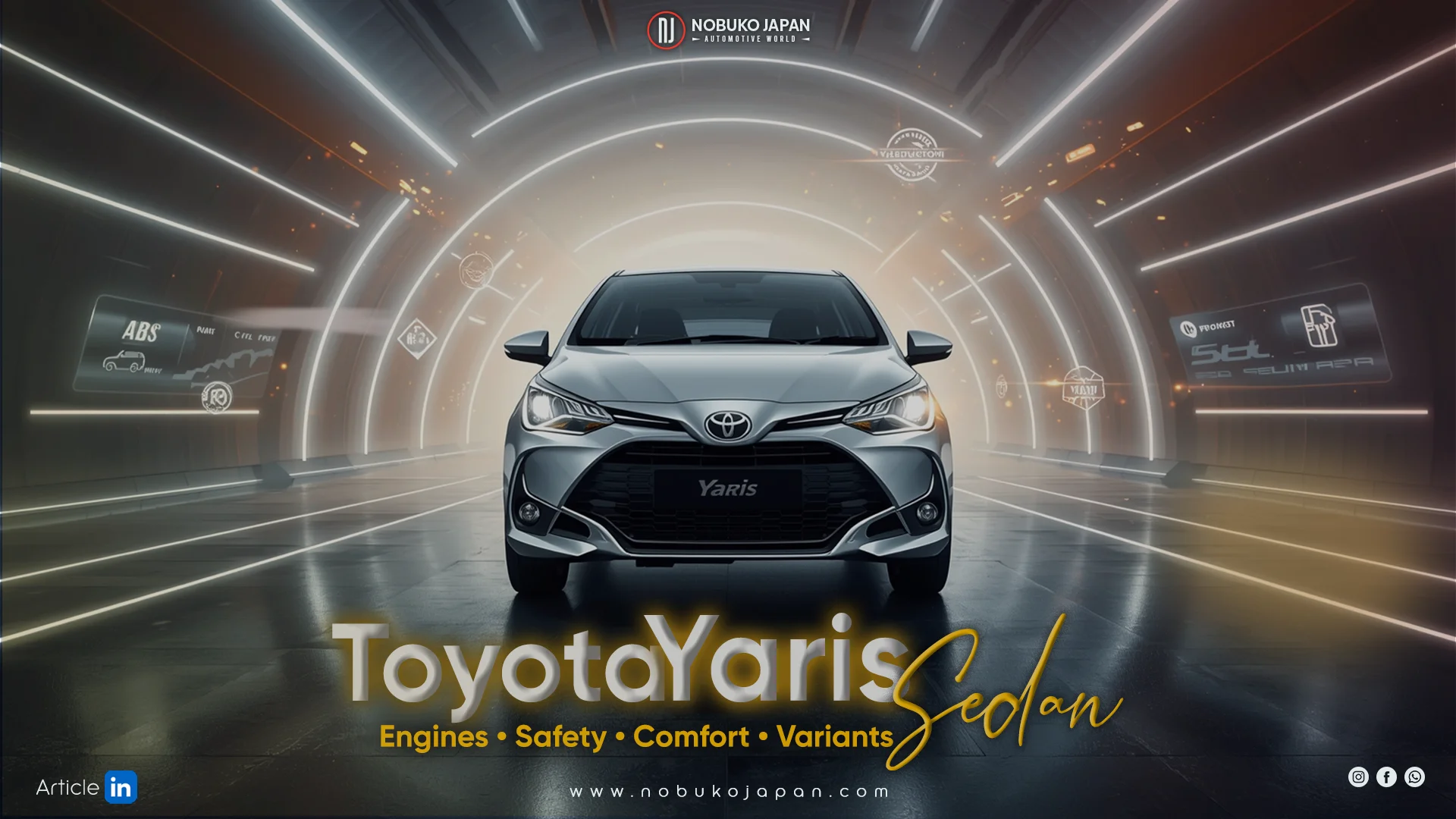
Toyota Yaris Sedan is one of the major vehicles in the Toyota portfolio across the globe. This provi...
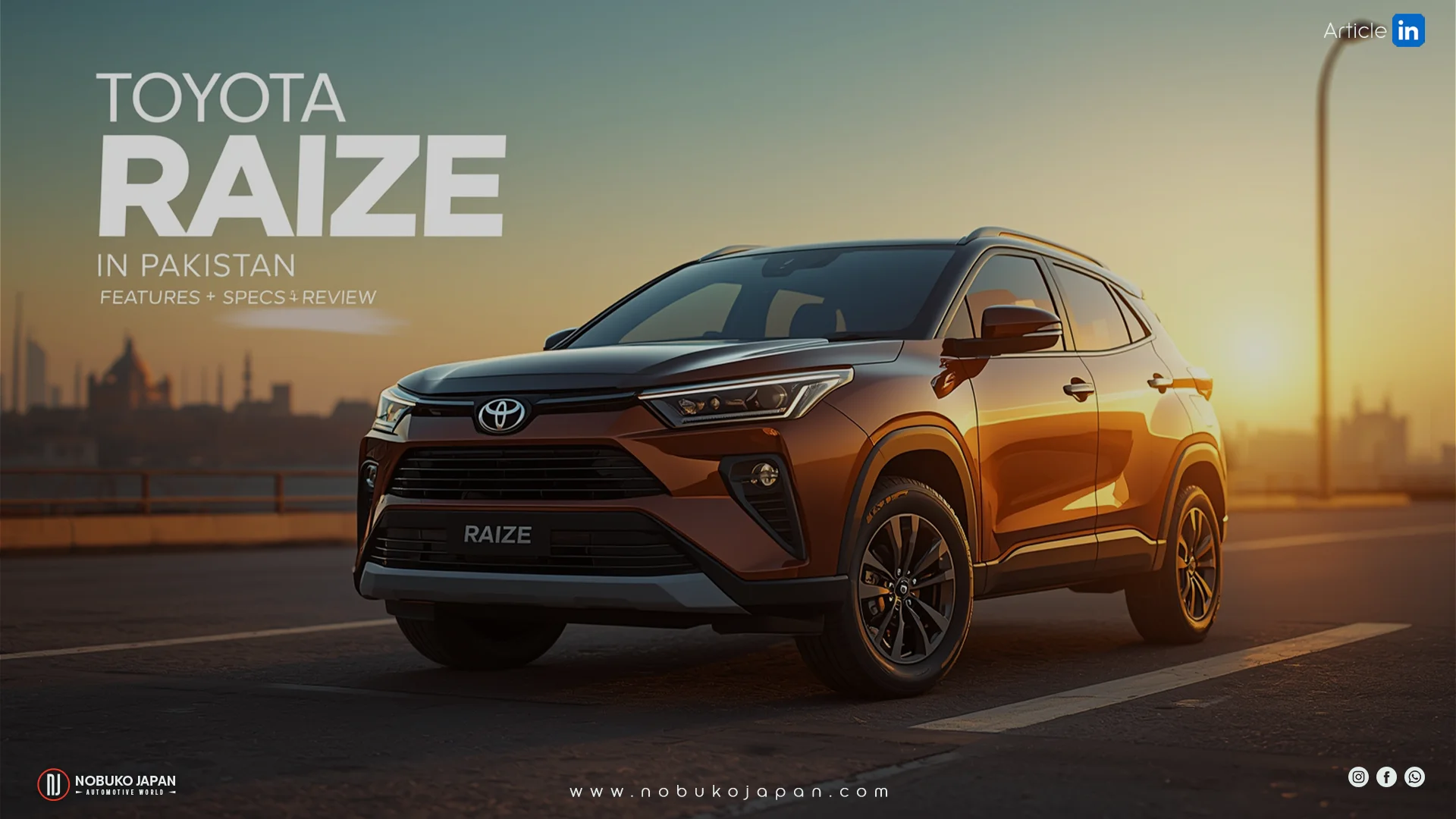
The Toyota Raize has gained popularity within the Pakistani roads since this mini-SUV resonates stro...
Considering the purchase of a new automobile in Pakistan? The traffic is heavy, the cost of gas is n...
Check out other articles related to Buying Guides.
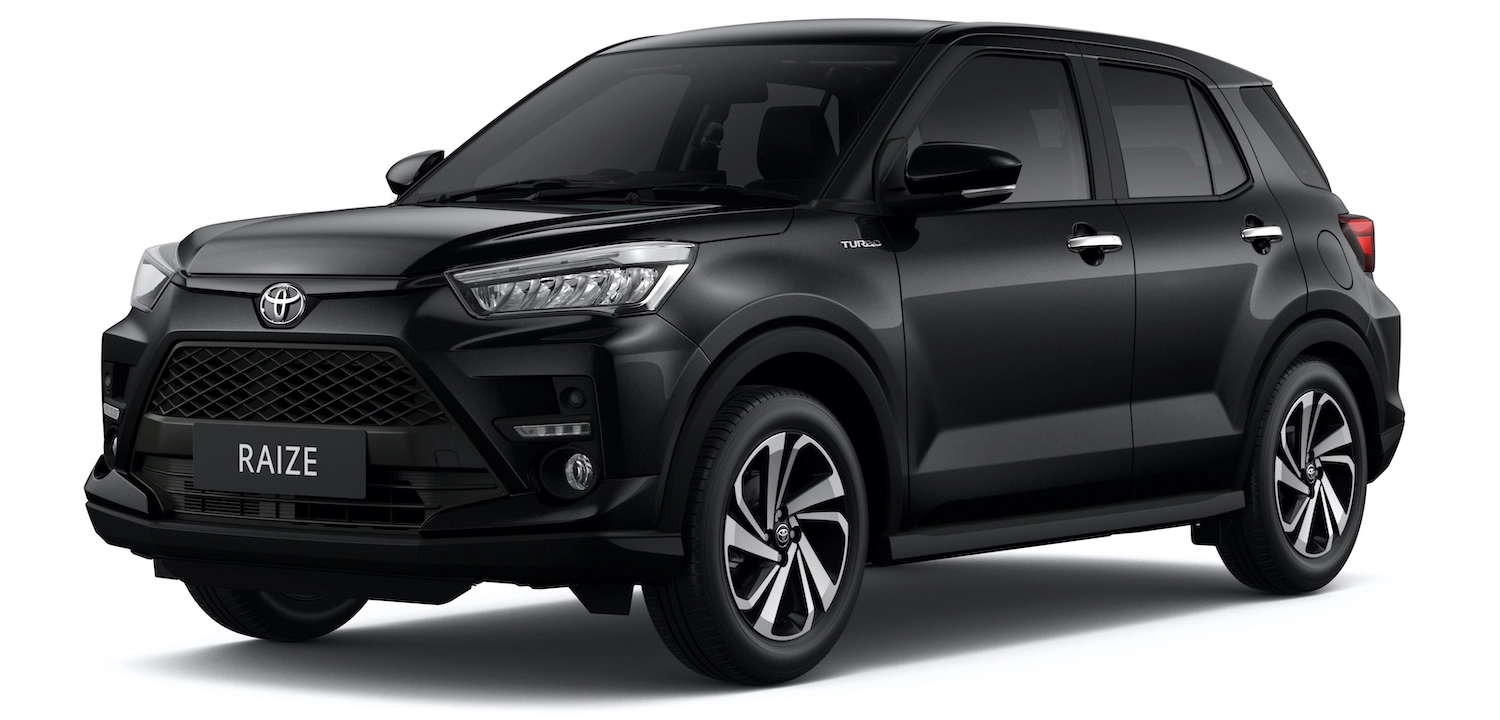
Is the Toyota Raize the Perfect Small SUV for Pakistani Families?
