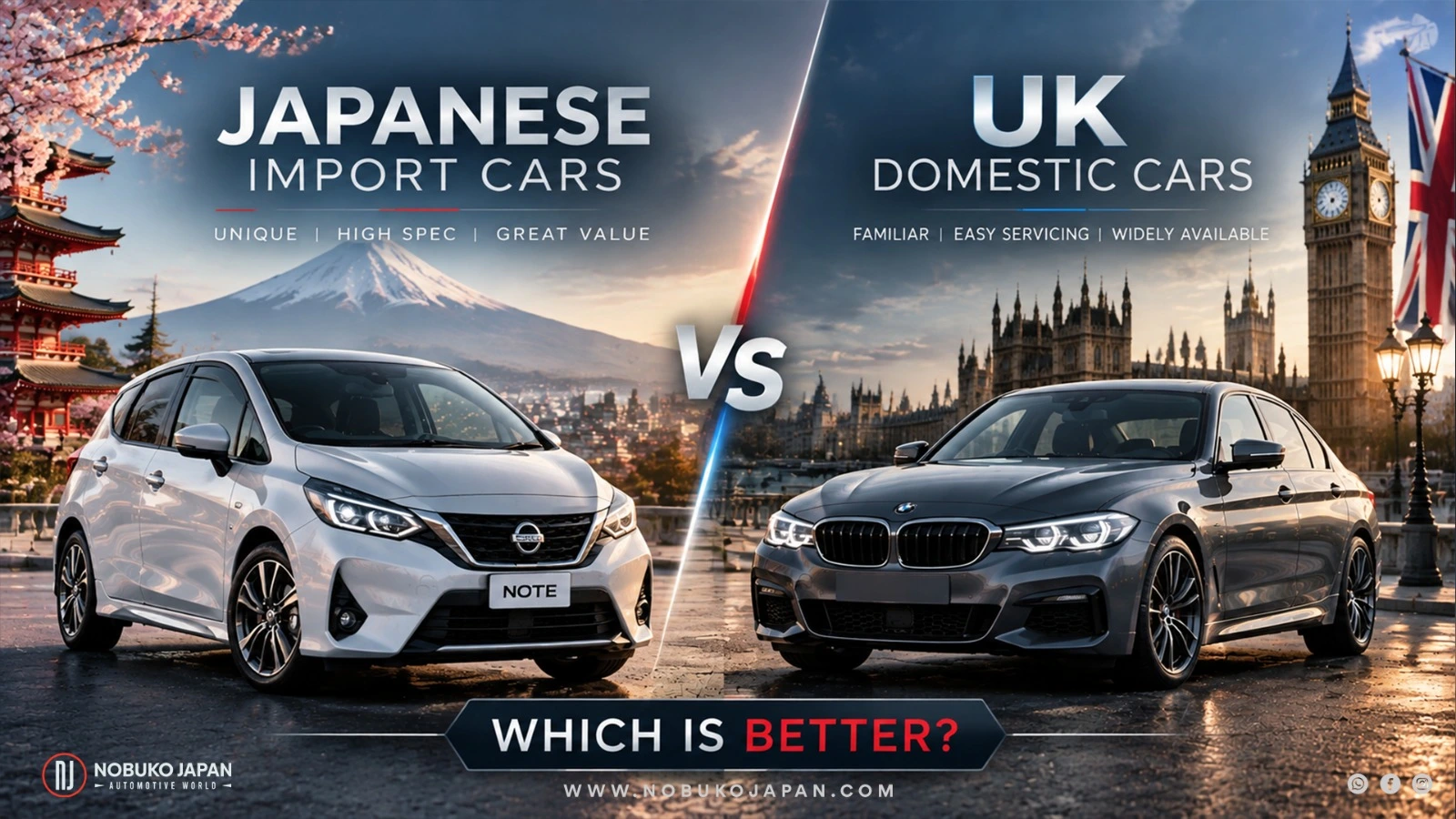
When searching for a used car, one cannot help but notice something that may surprise you alongside the regular range of UK cars, there seems to be an increasing number of Japanese imports UK drivers are just snapping up.
However, the solution isn’t as straightforward as that. There is good and bad to both options, and the decision will depend on which criteria are more important to you – whether it’s specification, condition, price, or convenience. Let's break down the key differences so you can make an informed decision.
Before comparing, it helps to understand why Japanese imported cars UK drivers see on the roads are different from their UK counterparts. Japanese domestic market (JDM) cars are made keeping in mind the Japanese roadways and the preferences of Japanese consumers.
The cars that are manufactured in the UK, however, are made according to European standards. These cars have been engineered for winter roads that are treated with salt, are UK-compliant in terms of emission control, and are meant for British drivers. These differences affect everything from performance to insurance costs.
One of the biggest draws of Japanese import cars uk buyers love is the superior specification. JDM models often come with features that were either expensive options or completely unavailable on UK versions.
Japanese domestic models frequently feature enhanced components you won't find on UK equivalents. Upgraded intake manifolds, different camshaft profiles, and improved cooling systems are common. Some JDM engines have different compression ratios optimised for high-octane fuel – great for performance but something to be aware of with UK fuel quality.
Factory performance suspension with stiffer, lower setups was standard on many JDM models. Limited-slip differentials, which dramatically affect handling, were standard on Japanese performance cars but expensive extras in the UK. Enhanced brake specifications and improved structural rigidity also appear more commonly on JDM cars.
Walk into a UK dealership and you'll often see basic trim levels designed to keep costs down. In Japan, features like automatic climate control, electric folding mirrors, and advanced driver aids were frequently standard, not optional extras. This means Japanese imported cars UK buyers get top-spec vehicles without paying premium prices.
Here's where Japanese imports from the UK genuinely excel. Japan's Shaken inspection system is far more rigorous than the UK's MOT . The test happens when a car is three years old, then every two years after that. It's expensive – around £1,500 – and gets costlier as the car ages.
This system encourages meticulous maintenance. Owners service their cars on schedule because failing the inspection means costly repairs. Vehicles arriving in the UK through import channels often come with complete service histories proving their care.
There's another practical difference. Japan doesn't use corrosive road salt in winter, so JDM vehicles have less underbody rust protection than UK models. While this means Japanese cars arrive with less existing corrosion, it's important to apply additional rust-proofing treatments for UK winters.
UK domestic cars have their own advantages. They're built with British roads in mind, which means suspension settings that handle potholes better and more robust corrosion protection.
Parts for UK-spec cars are readily available. Any garage can service them, and repairs are straightforward. With Japanese imported cars UK, you may need specialist knowledge, and some parts might need to be sourced from abroad.
UK cars are easy to insure. Standard insurers understand them, and comparison sites work seamlessly. For Japanese imports, you may need specialist insurance. The average price for Japanese import insurance is around £1,220 compared to £854 for a UK-spec European import.
Japanese import cars UK buyers need to navigate specific registration requirements. Here's what's involved:
Before UK roads, JDM imports need several changes:
The DVLA application process takes 2-6 weeks, and missing documents will cause delays.
For many buyers, this is the deciding factor. And the answer is nuanced.
Japanese imports UK often work out cheaper than equivalent UK models, even after shipping, taxes, and modifications. Japan's used car market is flooded with high-quality vehicles because owners change cars frequently. This supply keeps prices competitive.
However, unexpected costs can arise. One UK YouTuber who imported a Honda S660 found the car failed its MOT because it lacked a rear fog light and had tyre regulation issues . After modifications, the car passed – and he still saved significantly compared to buying pre-imported, but the extra work and costs were real.
Factor in insurance, servicing, and potential parts costs. While premiums for Japanese imported cars UK are higher, the lower purchase price and excellent condition often make overall ownership costs favourable.
So, which is better? The honest answer is: it depends on your priorities.
At Nobuko Japan, we believe Japanese import cars UK offer exceptional value for buyers willing to look beyond conventional choices. We handle the import process, ensure all modifications are completed, and verify vehicle history through auction sheets and inspections. Our expertise means you get the benefits without the headaches.
The market for UK Japanese imports continues growing for good reason. More UK drivers are discovering they can afford cars with better specifications, lower mileage, and superior condition. Whether you choose an import or a domestic car, what matters is making an informed decision based on your needs and budget.
Contact Nobuko Japan today to explore our latest Japanese imports UK stock and experience the difference quality makes.
For Latest updates
The Pakistani car market is constantly changing. In fact, sedan cars have been dominating the roads ...
Toyota Yaris Sedan is one of the major vehicles in the Toyota portfolio across the globe. This provi...
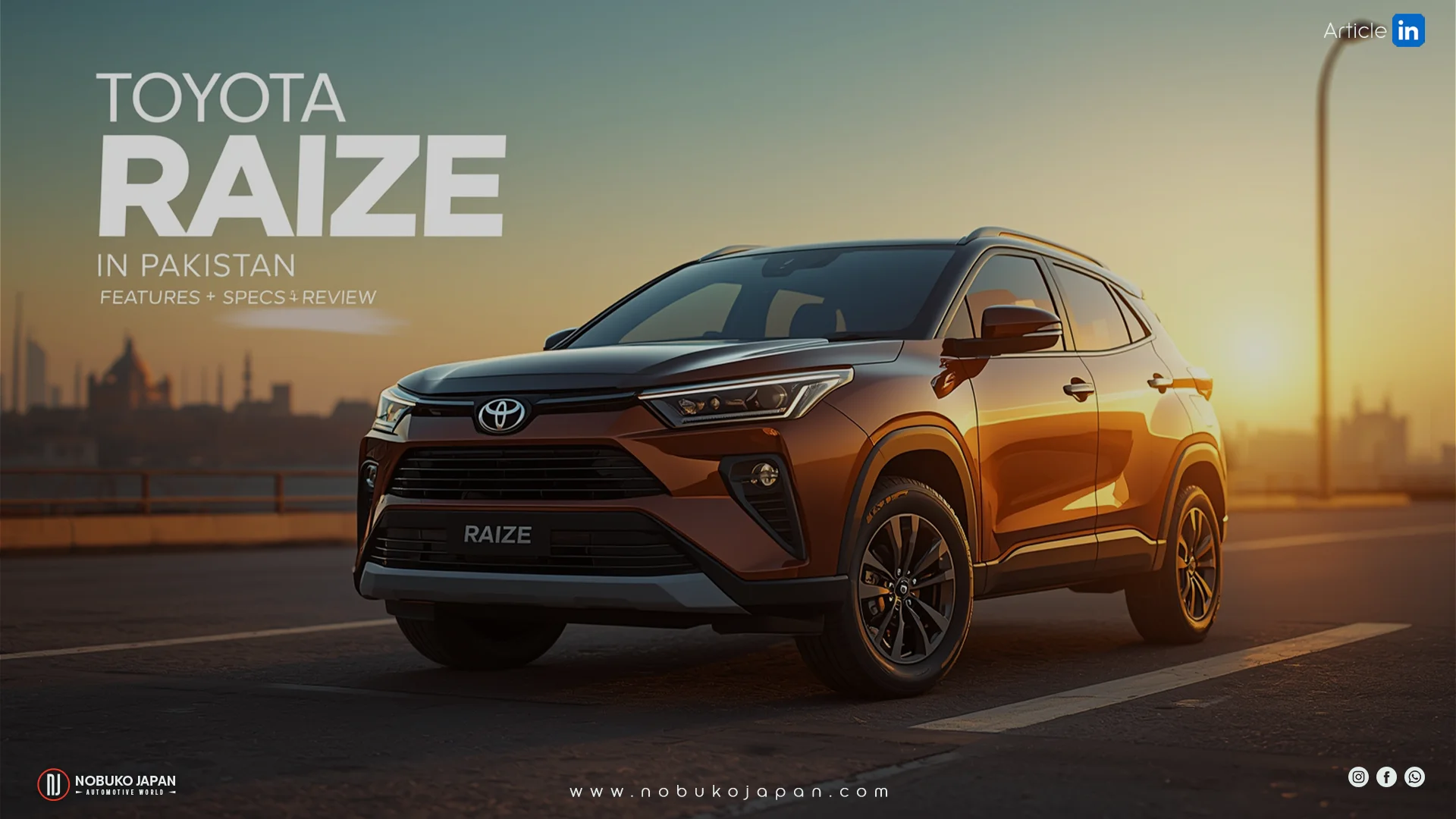
The Toyota Raize has gained popularity within the Pakistani roads since this mini-SUV resonates stro...
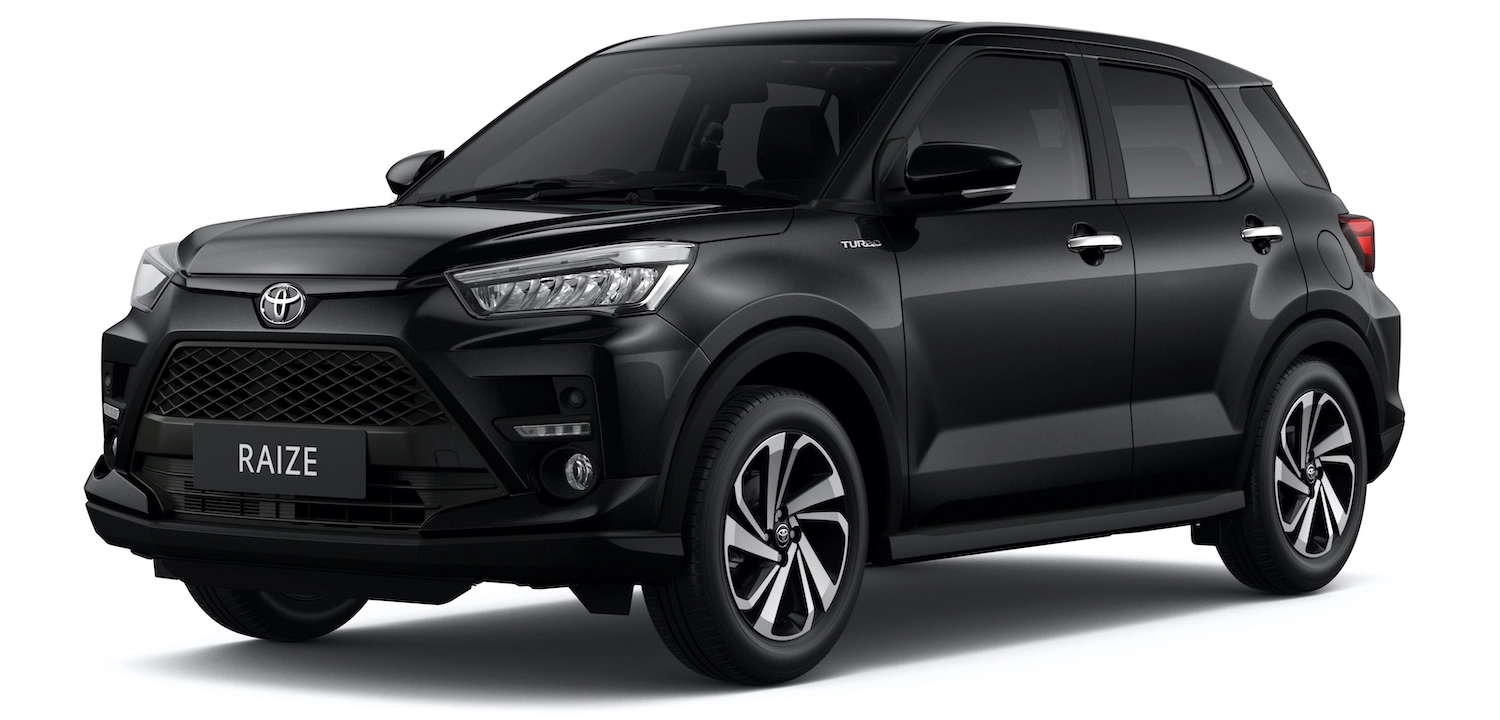
Considering the purchase of a new automobile in Pakistan? The traffic is heavy, the cost of gas is n...
Check out other articles related to Buying Guides.
Is the Toyota Raize the Perfect Small SUV for Pakistani Families?