.webp)
You need to fully understand Japan car auctions when importing a used car from Japan. These Japanese car auctions have some of the best bargains on top-quality vehicles. In 2025, it's easier than ever to bid for a Japan auto auction online. But the true challenge is understanding auction sheets, finding hidden problems, and knowing which grades to trust. A single misread remark or overlooked repair code could cost you thousands. This guide, breaks down everything you need to know, from decoding auction sheet grades to spotting hidden issues. By the end, you’ll be ready to bid confidently on a Japan car auction website and secure the perfect vehicle for your needs.
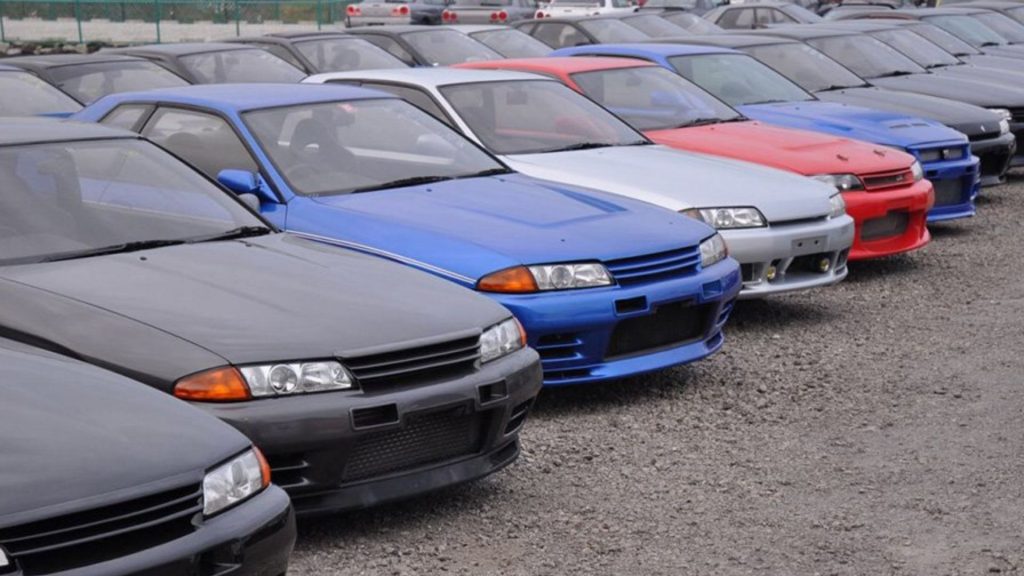
Japanese car auctions use a letter-based grading system to indicate a car’s condition. Each grade means:
Grade A (Excellent): Practically perfect, with little wear. Furthermore, its rare and often a little pricey.
Grade B (Good): Small scratches or dents but mechanically good, offers excellent value.
Grade C (Fair): Clearly evident wear, potential repaint, or minor repair required.
Grade R (Repaired): Accident history but professionally fixed. Check repair quality.
Some Top 10 Japanese car auction sites also use S grade (like new) or 0, 1, 2, 3 for older cars. Always cross-check the grade with the vehicle’s photos and remarks.
The interior condition is just as important as the exterior when evaluating a car at Japanese auctions. Auction houses use a separate grading system specifically for interiors. They are marked as U1, U2, or U3:
U1 (Like New): The best possible rating. The seats, dashboard, and trim show no visible wear, stains, or damage. A U1 grade often means the car was barely used and is well-maintained.
U2 (Light Wear): This refers to small indications of wear such as very slight fabric pilling, tiny scuffs, or very subtle creases in the leather. It's not a big deal, but not quite perfect either.
U3 (Visible Wear): This rating entails evident flaws such as stains, cracked dash panels, worn fabric, or fading. Doesn’t always mean the car is bad, but expect to invest in cleaning or repairs.
Japanese auction sheets also has a quick reference options code list. This includes common abbreviations like:
AC = Air Conditioning
PW = Power Windows
SR = Sunroof
NAV = Navigation System
AW = Alloy Wheels
A missing option will be marked with "XX", so "SR-XX" means no sunroof. Always double-check these codes against the photos.
Pro Tip: A Japan car auction listing with a U1 interior but a B exterior grade could be a great deal. However, it might just need minor bodywork while the cabin remains pristine.
A car's structural condition is arguably the most critical factor when bidding at Japanese auctions. The auction sheet uses clear codes to indicate body and frame integrity:
AA (No Damage): The gold standard, it's completely accident-free with no signs of repair.
A (Minor Scratches): Superficial marks only, no structural concerns.
B (Dents/Rust): Requires careful inspection as it may have corrosion or repaired damage.
C (Major Damage): Typically salvage vehicles so only consider for parts.
"KCL" (Clinker Rust): Surface corrosion often found in snowy regions - check severity.
"REP" (Repainted): Could indicate previous accident repairs.
"FRM" (Frame Damage): Walk away immediately - structural integrity compromised.
Expert Tip: A grade "B" car with minor rust might be worth considering if priced right, but always request additional undercarriage photos before bidding. The difference between "A" and "AA" often comes down to microscopic paint chips - don't overpay for perfection unless you need showroom quality.
When evaluating a Japanese auction car, the engine and mileage details can make or break your deal. Here's how to read between the lines:
Japanese auctions use simple but telling grades:
"A" (Excellent): Runs smoothly with no visible leaks or smoke. The ideal rating.
"B" (Good): Minor issues like small oil seeps or slight hesitation. Often just needs basic maintenance.
"C" (Poor): Noticeable problems - blue smoke, knocking sounds, or major leaks. Only consider if you're a mechanic.
Pro Tip: An "A" grade with high mileage may be better than a "B" grade with low miles - it's all about how well the engine was maintained.
"GEN" (Genuine): The holy grail - verified, untampered odometer reading.
"WR" (Warranty Replaced): Instrument cluster was changed - ask for service records to verify true mileage.
"TM" (Unknown): Big red flag. Could mean anything from cluster failure to deliberate tampering.
Key Insight: Many Japanese cars have higher mileage but excellent maintenance. Always remember to focus more on the service history than just the odometer number. Furthermore, cross-check the engine grade with the mileage for the full picture.
The remarks section reveals critical details. Watch for:
"CLK" (Clinker): Rust under the paint.
"POR" (Ported): Modified engine (could be good or bad).
"MIX" (Mixed Parts): Salvage history.
"WSC" (Water Damage): Flood risk, walk away.
Let's walk through an actual auction sheet to see how these codes work together. Here's what a typical 2025 Toyota Prius listing reveals:
Overall Grade: B
This means good condition with minor exterior flaws - perhaps some light scratches or small dings visible in the photos. A solid "B" grade often represents the best value for money.
Interior: U2
The cabin shows light wear - maybe slight fading on the driver's seat or minor scuffs on plastic trim. Nothing alarming, but not showroom fresh.
Frame: A
Excellent structural condition with no accident history or rust damage. This is crucial for long-term reliability.
Engine: A
Runs perfectly with no mechanical issues reported. The "A" grade here significantly boosts the car's value.
Mileage: 85,000 km ("GEN")
The golden ticket - verified, untampered mileage. For a hybrid, this is just broken in.
Key Options
Fully equipped with air conditioning, power windows, and navigation - all desirable features that increase resale value.
Critical Remarks
The "REP rear bumper" suggests a minor rear-end incident (check repair quality in photos), while "KCL underside" indicates some surface rust underneath (common in snowy regions - inspect severity).
Verdict: This Prius, listed on a Japan auto auction online, presents a strong buying opportunity. The combination of verified mileage, clean mechanics, and only minor cosmetic issues makes it worth serious consideration, especially if the price is right. Always request additional undercarriage photos when "KCL" appears in remarks.
Do’s:
Use a proxy bidder (like Nobuko Japan) to access Top 10 Japanese car auction sites.
Compare Japan car auction sold prices to avoid overpaying.
Request a live Japan auto auction online inspection if unsure.
Don’ts:
Ignore "R" or "REP" grades without checking repair records.
Assume low mileage = perfect condition, always verify.
Skip the Japan car auction website’s vehicle history check.
Mastering Japan car auctions requires sharp attention to detail, but the payoff is worth it since you get access to high-quality used vehicles at unbeatable prices. You just need to decipher auction grades (A, B, R) and spot red flags like frame damage ("FRM") or flood history ("WSC"). You also have to know how to evaluate interiors (U1-U3) and verify critical options (AC, NAV, etc.). Moreover, learn how to assess engines ("A" = flawless, "C" = avoid) and mileage authenticity ("GEN" vs. "TM"). For even more security, be able to decode remarks for hidden issues like rust ("KCL") or salvage parts ("MIX"). Always remember that a "B" grade car with verified mileage and minor flaws often offers the best value. Always cross-check photos, request inspections, and partner with a trusted agent like Nobuko Japan for tricky translations.
FAQs
1. Can I bid directly on Japanese car auctions?
Most Japanese car auctions require a licensed dealer. Use a trusted agent like Nobuko Japan.
2. How accurate are auction grades?
Generally reliable, but always review photos and remarks.
3. What’s the best Japan auto auction online for beginners?
USS Auto Auction and TAA are user-friendly with English support.
4. How do I check if a car has flood damage?
Look for "WSC" in remarks or musty smells in photos.
5. Are Japanese cars really cheaper at auction?
Yes! You can save 30–50% at Japan car auctions.
For Latest updates
Importing a car from Japanese car auctions UK is a smart move, but only if you can read the car auct...

1. The Rise of Japanese Kei cars Auto AuctionsKei cars rule Japanese auctions because they're the ul...

Looking to buy cars from Japanese auction platforms? You’re making a smart choice. Japanese car au...

Looking to buy cheap cars from Japan? Japanese auto auctions offer incredible deals, but the true Ja...
Check out other articles related to Auction insight.
Is Buying from Japanese Car Auctions Cheaper? Real Japanese Auction Car Prices Breakdown
