
Importing a car can be both exciting and quite stressful. You might want a unique Japanese import car model that's not available here or maybe you're looking for a price from abroad. The import car process can be complicated which is why many people wonder if importing a car can be a bad decision. This blog post discusses the entire journey of how to import a car into UK so you can make an informed decision. Whether you're buying an imported car from Europe or Japan, understanding the steps involved is key to a smooth experience.
Simply put, an imported vehicle is any car that was originally built and registered outside of the United Kingdom and has subsequently been brought here to be registered and used on UK roads. This includes:
Parallel imports from Europe.
Popular Japanese import cars (known for their high spec and low mileage).
Personal imports of a car you've owned while living abroad.
Classic or rare models sourced from overseas markets.
The process can be broken down into several key stages, often handled by professional vehicle importers UK.
Your first step is to find and purchase the car from its country of origin. This can be done through international dealerships, online auctions (especially for Japanese import cars), or private sellers. Many UK buyers use established vehicle importers UK who handle the bidding, purchase, and logistics on their behalf.
After purchasing the car, it needs to be shipped to the UK. This means that the vehicle be be driven or transported to a port and loaded into a container or onto a roll-on/roll-off (RoRo) ship. Next, it will be transported to a UK port. Furthermore, your importer will be responsible for handling all customs documentation and freight forwarding.
This is a important financial step. When the car arrives, you must inform HMRC. You may need to pay VAT (usually 20% of the car's current market value) and import duty (typically 10% for cars from outside the EU) unless you're eligible for an exemption (e.g., moving back to the UK with your personal car). Professional vehicle importers UK are invaluable here to ensure correct valuation and paperwork.
Almost all imported cars need to go through and pass the IVA test. It's a strict inspection that makes sure the vehicle meets UK safety and environmental standards. Moreover, some modifications like headlight beam converters etc are often required before the test. However, some newer EU-model cars may be exempt under different rules.
Next, you need to register the imported vehicle with the DVLA. this includes submitting the necessary forms, the IVA certificate and proof of UK insurance. You also need to submit proof of ownership and the required fees. After this, the DVLA will issue a UK registration number and a V5C logbook. Therefore, making your car officially legal for UK roads.
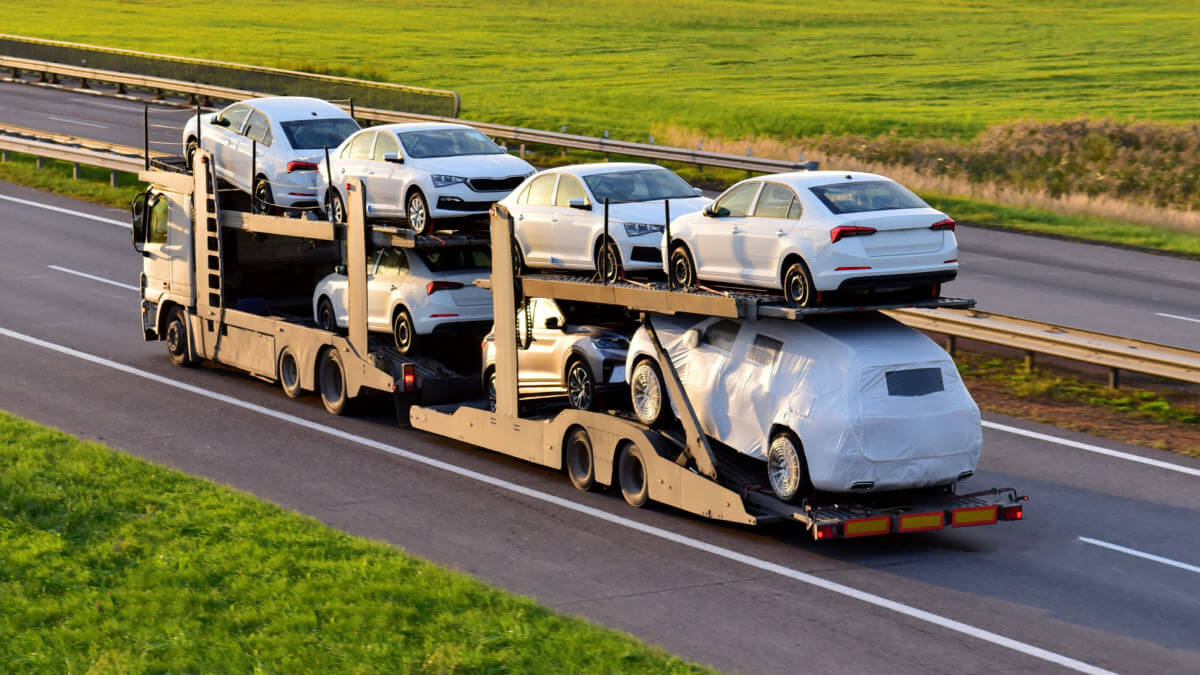
So, are imported cars bad? Not necessarily, but they come with unique challenges that are important to consider.
Higher Initial Paperwork and Costs: Apart from the purchase price, you need to add in additional costs as well. This includes the shipping budget, insurance and potential import duty. It also includes VAT, IVA test fees and other registration costs.
Potential for Delays: The process from purchase to driving can take several months. However, it mainly depends on the shipping schedules and DVLA processing times.
Specification Differences: The car may have different standard features or engine options when compared to the UK model. This can actually sometimes affect its value or desirability.
Resale Value and Perception: Some buyers in the used car market are wary of imported cars. This can sometimes make them harder to sell. Moreover, it can also affect their resale value compared to a UK-supplied equivalent.
Service and Parts: For non-mainstream models, some dealerships might be less familiar with the specific import variant. However, this is rarely a major issue for common brands.
Compelling reasons to import a car:
Access to Unique Models: Find a specific colour, trim, or model that was never officially sold in the UK.
Cost Savings: Even with all the fees, you can often secure a newer, higher-spec, or lower-mileage car for less than a UK equivalent.
Better Condition: Cars from countries like Japan often have excellent service histories. Plus, they are less prone to corrosion due to their climate and road conditions.
It refers to any car that was originally built and registered outside of the UK. This mean it was brought here to be registered for use on UK roads.
No, they're not bad. However the only disadvantages are the added paperwork and additional costs. Apart from that, imported cars are excellent as they provide great value for your money.
For your first time, using professional vehicle importers UK is highly recommended. They make the whole process easy for you. This includes everything like the customs, IVA, and DVLA processes daily. As a result, saving you time, stress, and potential costly mistakes.
The entire process can take anywhere from 6 to 12 weeks. However, it depends on shipping and processing times.
Buying an imported car is not for everyone. You need patience, willingness and an understanding of the risks associated with it. However, for car enthusiasts who are looking for something unique well-specced will be able to find amazing deals. Therefore, making the import process an incredibly rewarding experience. Just do your research carefully and partner with a reputable importer like Nobuko Japan and you'll be good to go.
For Latest updates
2026 Costs Breakdown: Importing a Japanese Car to UK, Ireland and CyprusImporting a Japanese vehicle...

Japan's reputation as makers of best Japanese cars; electric-proof, high-tech, and exciting automobi...

There is more to buying a car in Japan than the auction price. The final price comes as a great shoc...
.png)
Importing a car from Japan to the UK is an exciting process. However, understanding the shipping tim...
