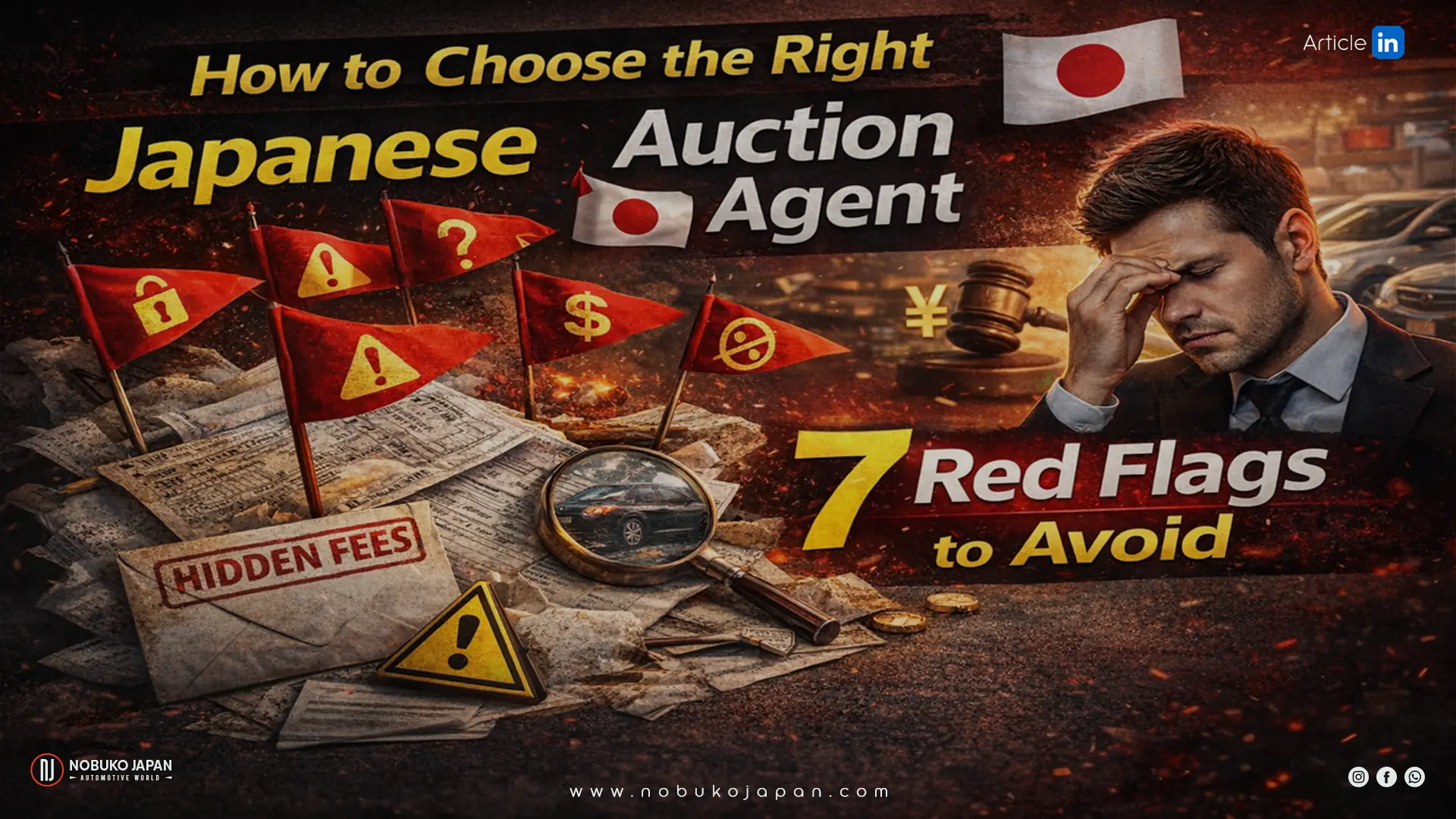
Selecting your Japanese car auction agent is the most important decision in your import business. A good agent makes you money. A bad agent costs you money, time, and sometimes, even your sanity. While many guides tell you what to look for, knowing what to run from is more critical. This guide exposes the seven red flags that signal a problematic agent. Avoid these, and you'll find a partner who protects your investment and builds your business.
You are hiring a local representative. They must have a real, verifiable office in Japan.
The Risk: "Agents" operating only from an email address or a P.O. Box may be simple resellers or scams. When problems arise, you have no way to locate them or hold them accountable.
What to Do: Ask for their Japanese business address and phone number (with area code). Verify it on Google Maps Street View. A legitimate agent will have no problem providing this. Be wary of anyone using only international messaging apps as their primary contact.
Transparency is absolutely non-negotiable. As a matter of fact, if you don't understand the fees, you will be overcharged.
The Risk: Agents who say "don't worry about fees, just bid" or give vague percentages are setting you up for surprise invoices. Hidden fees can appear for "bank transfer charges," "special paperwork," or "port handling."
What to Do: Demand a written, itemized list of all fees before you register. This should include: Agent Commission (flat yen fee is best), Auction Fee pass-through, Consumption Tax, Transport to Port, and Deregistration Fee. The total is your clear FOB (Free on Board) cost.
The auction world moves fast. If your agent is slow in peace time, they will vanish in a crisis.
The Risk: Missing a bidding deadline because your agent didn't send the sheet. Delayed payments causing you to lose a car. No updates when your vehicle is stuck at port. This lack of communication costs you deals and creates massive stress.
What to Do: Test their communication during the inquiry phase. Ask detailed questions regarding anything and everything you want to. In fact, if they take more than 24 hours to respond during a normal business week, imagine how they'll perform under pressure. They should proactively update you.
A trustworthy agent is confident in their service and the cars they source.
The Risk: An agent who says, "Don't worry about the auction sheet, I'll handle it," or rushes you away from asking about specific flaws ("K3" scratches, "HR" rust) may be trying to hide poor-quality purchases or their own lack of expertise.
What to Do: A good agent will encourage you to learn the auction sheet codes. They will explain flaws in detail and even recommend a third-party pre-purchase inspection for high-value cars. They act as your advisor, not your gatekeeper.
Anyone can build a website. Proven experience is what you pay for.
The Risk: A new or unproven agent might use your business as a learning experience with your money. They may not know how to handle complex deregistration, negotiate with auctions on problems, or choose reliable freight forwarders.
What to Do: Ask for references from importers in your country and examples of recently exported vehicles (with blurred VINs). Check their business history. How long have they been operating? Besides this, consider a strong social media presence with consistent, real-world content. This is definitely a good sign.
A good agent wants a long-term partner, not a one-time commission.
The Risk: High-pressure sell tactics show that your profitability is not a major interest of theirs. What is important is how fast they can make a sale and how many cars they sell. It could mean selling you cars that aren't really being demanded in your market.
What to Do: A professional agent will ask you questions about your business model, target market, and your budget, too. He will send you cars that are appropriate for you, along with a reason why, so that a decision on how much you want to bid is still in your hands.
Things will go wrong: a car arrives at port with new damage, the engine light comes on during their check, paperwork is delayed. Your agent's true value is revealed in these moments.
The Risk: If they have no stated process, you will face panic and excuses. You may be left financially responsible for a problem that occurred under their watch in Japan.
What to Do: Ask directly: "What happens if the car has undisclosed damage when it arrives at your yard for export? What is your process?" A good agent will explain their pre-shipment inspection and how they file claims with the auction house on your behalf.
Verified Japanese business address and landline.
Clear, written FOB fee schedule.
Fast, professional, and patient communication.
Willingness to educate you on auction sheets.
Provided verifiable references or export history.
No pressure sales; focuses on your needs.
Has a clear problem-resolution policy.
Choosing an agent is not about finding the lowest fee. It is about finding the highest value and integrity. By avoiding these seven red flags, you filter out the amateurs and frauds. The right agent becomes your strategic partner, turning the complex Japanese auction system into a reliable, profitable pipeline for your business. Take your time, ask the hard questions, and trust the process. Your future profits depend on this single choice.
For Latest updates
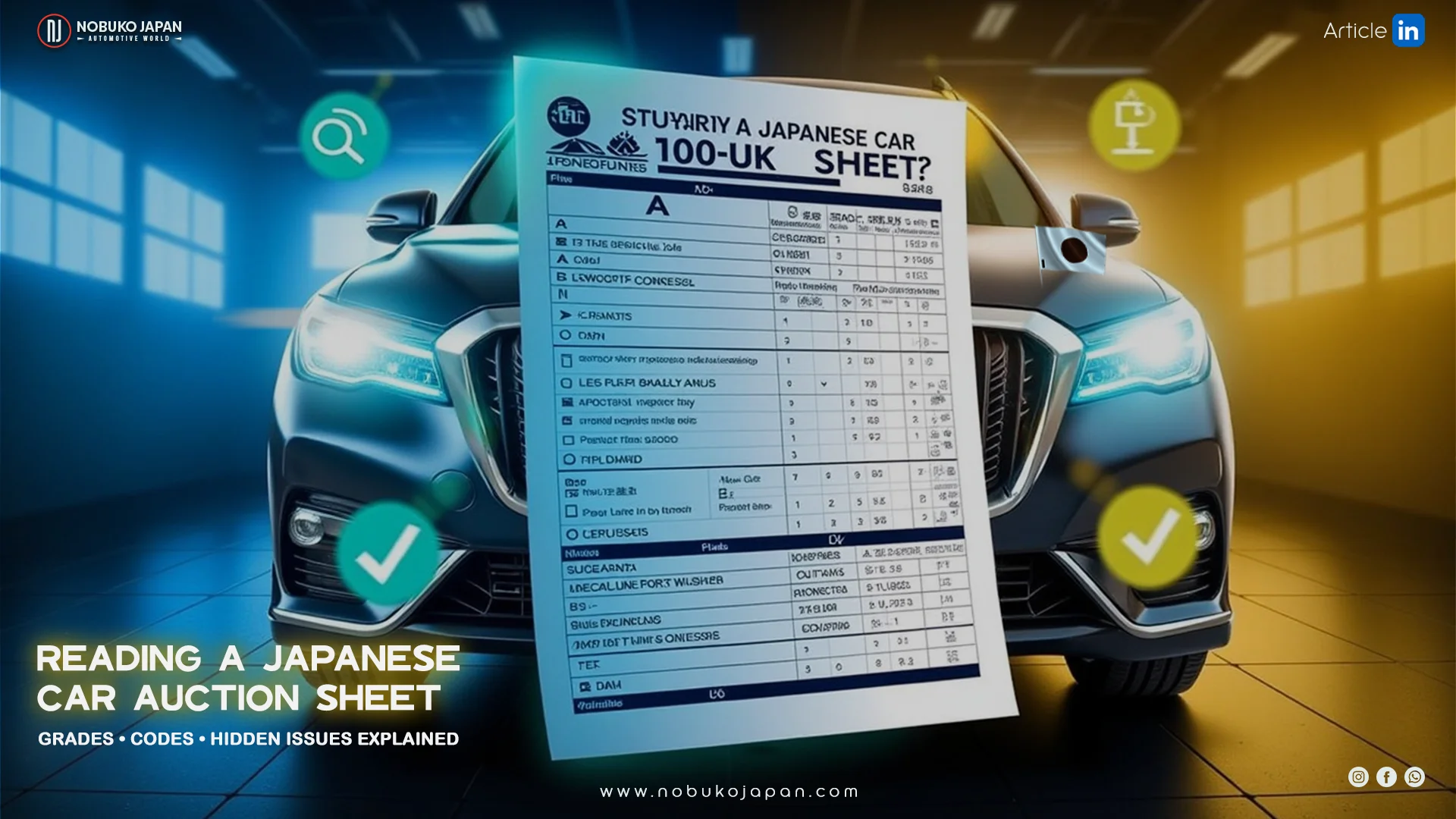
Importing a car from Japanese car auctions UK is a smart move, but only if you can read the car auct...

1. The Rise of Japanese Kei cars Auto AuctionsKei cars rule Japanese auctions because they're the ul...

Looking to buy cars from Japanese auction platforms? You’re making a smart choice. Japanese car au...

Looking to buy cheap cars from Japan? Japanese auto auctions offer incredible deals, but the true Ja...
Check out other articles related to Auction insight.
Is Buying from Japanese Car Auctions Cheaper? Real Japanese Auction Car Prices Breakdown
