You are looking to import a car from Japan. Every website mentions "RoRo shipping." But no one really explains what it means in practice.
Is it safe? Is it cheap? Can your car get damaged? Let’s cut through the confusion.
RoRo stands for Roll-on / Roll-off. Your car rolls onto the ship on its own wheels, and at the destination, it simply rolls off again. No cranes. No containers. No lifting involved.
At Nobuko Japan, over 90% of our shipments use RoRo. It is the industry standard for a reason. This post tells you everything you need to know; the good, the bad, and how to protect your car.
The process is simpler than you think.
Step 1: Your car arrives at Yokohama or Nagoya port after domestic transport from the auction house.
Step 2: Port staff drive your car onto a giant ramp. The ramp leads directly into the ship's belly.
Step 3: Your car is driven to a designated deck, parked close to other cars. Rows and rows of vehicles.
Step 4: Staff secure each car with heavy-duty straps and wheel chocks. No movement during rough seas
Step 5: The ship sails. Your car stays on that deck for the entire journey.
Step 6: At Southampton or Liverpool, a driver starts the car and drives it off the ramp onto UK soil.
Step 7: Your car moves to customs holding, and you pay VAT. Then collection or delivery.
Total time your car spends being driven: Less than 10 minutes. The rest is just sitting securely on the ship.
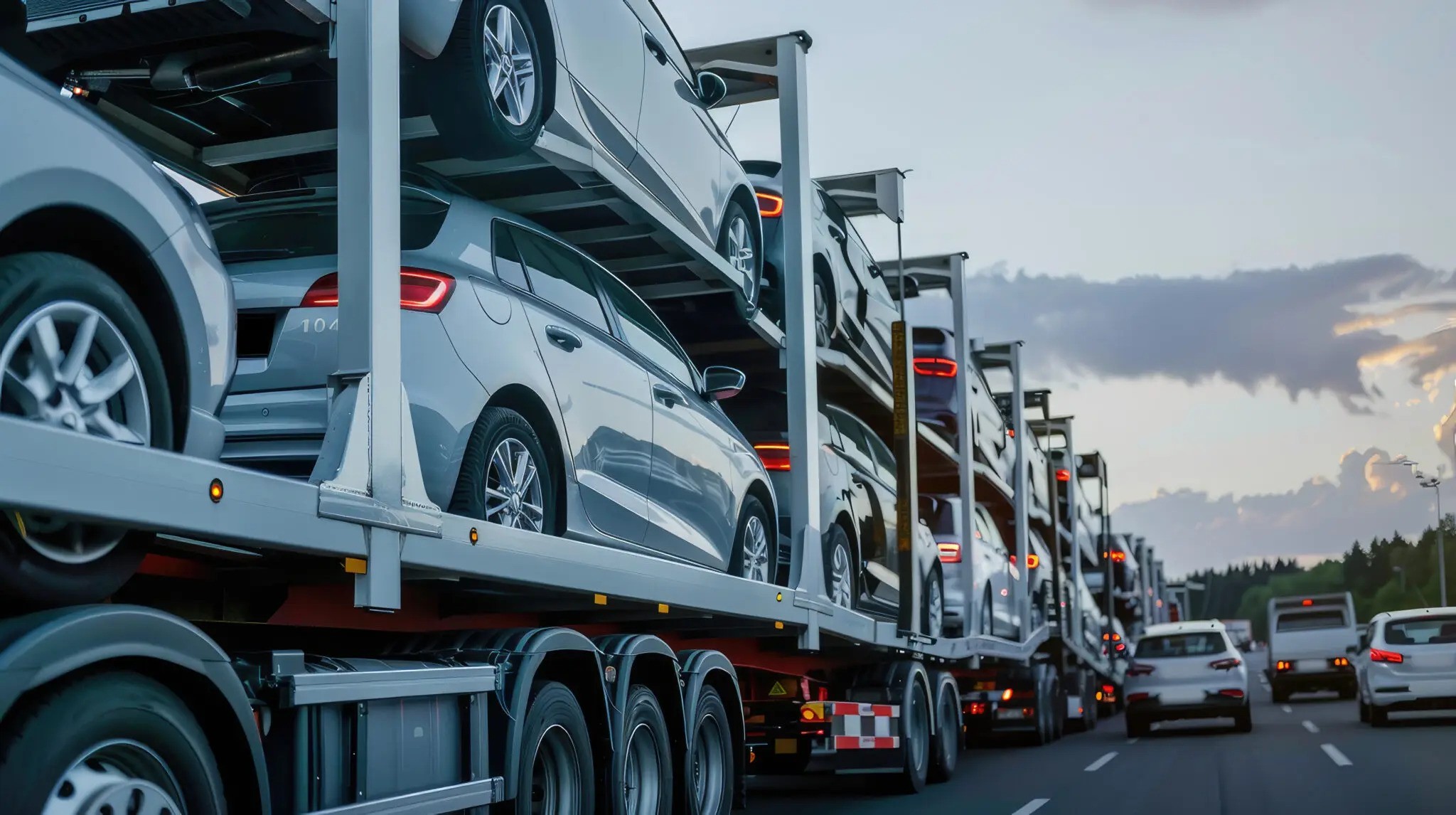
Not all RoRo vessels are the same.
Carries only cars (up to 6,000 vehicles)
Multiple decks (10–14 levels)
Dedicated car ramps inside the ship
Most common for Japan to UK
Carries cars plus trucks, vans, and heavy machinery
Stronger decks for heavier vehicles
Same RoRo principle
Used for larger vans like Toyota Hiace
Carries cars AND passengers
Fewer car spaces (200–500)
Faster voyages (less port time)
Rare for Japan to UK. Mostly ferries.
Nobuko Japan uses Pure Car Carriers. They are designed specifically for cars like yours with no mixing with industrial equipment.
RoRo is the cheapest shipping method. Here is why.
Base freight rate: £1,200 – £1,800
Loading at Japan port
Ocean transit to UK
Unloading at UK port
Basic marine insurance (read the limits)
Japan domestic transport (£150–£300)
Export certificate (£50–£100)
UK customs clearance (£100–£150)
UK delivery to your door (£150–£300)
Total RoRo shipping cost (all in): £1,650 – £2,650
Compare that to container shipping: £2,500 – £4,000 just for the box.
Direct advice: When an exporter quotes you "RoRo shipping for £1,200," ask what is missing. Often they leave out domestic transport, export paperwork, and customs clearance. At Nobuko Japan, we quote everything except VAT and UK delivery.
| Feature | RoRo | Container |
|---|---|---|
| Price | £1,200–£1,800 | £2,500–£4,000 |
| Ocean time | 30–35 days | 35–50 days |
| Total time (auction to door) | 8–10 weeks | 10–14 weeks |
| Protection from weather | Basic | Full |
| Ship personal items | No | Yes |
| Risk of damage | Low | Very low |
| Tracking | Vessel only | Container number |
You only ship the car (no household goods)
You want the lowest price
You want faster delivery
Your car is a standard daily driver
Classic or luxury car over £20,000
You are moving to the UK and shipping belongings
You want extra peace of mind
Nobuko Japan verdict: For 95% of buyers, RoRo is the right choice. Do not pay double for a container you do not need.
Concern 1: "Is my car safe on an open deck?"
RoRo ships are not "open" like a flatbed truck. Cars are parked inside the ship on enclosed decks. They are not exposed to sun, rain, or salt spray during the voyage.
The only exposure is at the port during loading and unloading (1–2 hours total).
Concern 2: "Can my car get damaged by other cars?"
Damage is rare but possible. Less than 1 in 500 cars arrive with new damage. Shipping lines have insurance for this.
Nobuko Japan tip: We photograph your car before loading and after unloading. If there is new damage, we file the claim for you.
Concern 3: "Do they drive my car hard?"
Port drivers move hundreds of cars per shift. They are professionals and drive slowly (5–10 mph) on and off the ship. No racing, no revving.
Concern 4: "Can someone steal my car?"
No, ports are high-security zones with cameras, guards, and restricted access. Your car is locked inside a ship or a fenced port area at all times.
Real Example: RoRo Saved a Customer £1,800 and 4 Weeks
A Nobuko Japan customer wanted to import a 2015 Toyota Estima. He had read online that container shipping was "safer." He asked us for a container quote and we gave him both options.
Container quote: £3,600 shipping + £400 port fees + 13 weeks total time
RoRo quote: £1,600 shipping + £200 port fees + 9 weeks total time
Difference: £1,800 and 4 weeks faster.
We explained that his Estima was a standard family car worth £8,000. Container protection was overkill. RoRo would be perfectly fine.
He chose RoRo.
The car arrived in Southampton and we inspected it with him. Zero damage, zero issues. He drove it home the same week.
He told us: "I almost wasted £1,800 because of internet scare stories. Thank you for being honest."
The lesson: RoRo is safe for normal cars so do not believe the myths. Trust the method that 90% of Japanese car imports use.
Nobuko Japan protects your car during RoRo shipping with five key steps many exporters skip. First, we carry out a pre-shipping inspection at the Japan port, photographing and documenting any existing damage. Second, we use high-quality lashing, paying extra for professional strapping; no loose ties or cheap materials. Third, we request upper deck placement, which reduces vibration and avoids fluid leaks from vehicles above. Fourth, we provide real-time tracking, including vessel name and live location updates. Finally, we complete a post-unloading inspection at Southampton before final payment; if any new damage is found, we handle the claim. As a result, 99% of our RoRo shipments arrive without new damage.
RoRo has limits you must understand before shipping. Personal items are not allowed inside the car, anything found may be removed or even cause shipment rejection. The car must be fully operational, with enough ground clearance to board the ramp safely. Before shipping, make sure it starts, tyres are properly inflated, the battery is charged, fuel is under a quarter tank, and the interior is completely empty. RoRo is ideal if you want the lowest cost and faster delivery for a standard car. A container is only necessary for high-value, non-running, or specialist vehicles.
RoRo shipping from Japan to the UK is safe, cheap, and fast. It costs £1,200–£1,800 for ocean freight. Total time from auction to your driveway is 8–10 weeks. Damage is rare (under 0.5% of shipments).
For 95% of buyers, RoRo is the right choice. Do not pay double for a container you do not need. Only upgrade for classic cars over £20,000 or when shipping personal items.
Nobuko Japan has shipped over 450 cars via RoRo. We photograph before and after and use professional lashing. In fact, we also handle claims if something goes wrong.
Contact Nobuko Japan today for an honest RoRo quote. No upsells, no scare stories, just safe shipping.
For Latest updates

The thing is that you’ve won the auction and paid for the car. Now it needs to make the journey fr...

You won the auction and paid the invoice. Now you are waiting and waiting. The silence starts to fee...
You have bought a car from Japan and now you need to get it to Ireland. You have two choices: RoRo o...
Check out other articles related to Shipping & Logistics.
Car Shipping from Japan to UK: Routes, Methods & Delivery Times
How Long Does It Take to Ship a Car from Japan to the UK? Real Timeline
RoRo vs Container Shipping from Japan to Ireland Which Is Better for Buyers